

US–Iran breakthrough talks emerge after 40 days of war and failed negotiations
A Pakistani late-stage diplomatic intervention reportedly unlocked a tentative two-phase framework between Washington and Tehran, but deep disputes over nuclear enrichment, sanctions, and regional security risks continue to threaten the fragile understanding.


 Messenger
 Whatsapp
 Threads
 Email
Email
 Print
Print
 X
X
 Facebook
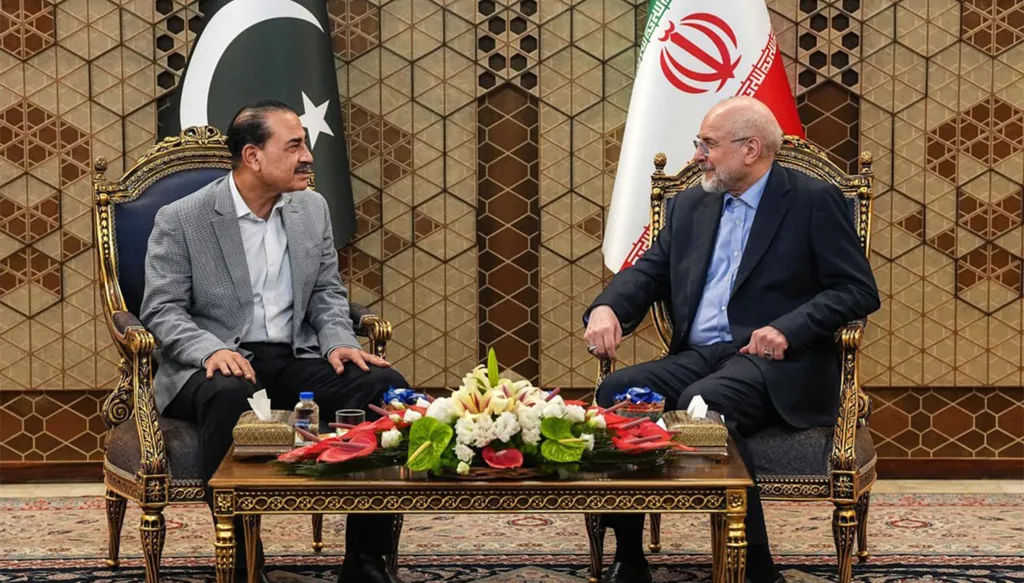


After forty days of war between the United States and Israel on one side and Iran on the other, and after forty days of futile negotiations, the region seemed to be once again approaching the brink of a major explosion. However, intensive Pakistani intervention at the very last moment succeeded in opening a breach in the wall of deadlock and laid the foundations of an initial understanding between Tehran and Washington, amid fears that this fragile agreement may be nothing more than a temporary truce before a new round of confrontation.
Four goals and four obstacles
Over the course of forty days, the United States and Israel waged a war against Iran without managing to achieve their four shared objectives, which included the overthrow of the Iranian regime, the destruction of nuclear facilities, the elimination of the threat posed by missile capabilities, and the cessation of Tehran’s support for its allies in Lebanon, Iraq, and Yemen.
Despite the execution of around 23,000 military operations and the spending of an estimated 70 billion dollars, these goals remained out of reach. Meanwhile, Iran’s closure of the Strait of Hormuz triggered a new crisis that shook the global economy and international trade and energy flows.
In parallel with the war, intensive negotiations were held throughout forty days to open the strait and remove 440 kilograms of uranium enriched to 60 percent from Iran. However, they failed to achieve a decisive breakthrough, which brought all three parties more than once to the edge of resuming military confrontation.
The core problem revolved around four main points. First, Iran’s refusal to halt uranium enrichment regardless of pressure. Second, its insistence on not opening the Strait of Hormuz without clear gains, including the lifting of sanctions and the release of frozen funds, in addition to demanding a new formula for exercising sovereignty over the strait in partnership with the Sultanate of Oman. Third, its refusal to hand over 440 kilograms of enriched uranium to the United States. The fourth point was Tehran’s insistence on considering a ceasefire in southern Lebanon as a necessary condition for any comprehensive agreement.
These four obstacles left the mediation efforts led by Pakistan and Qatar, alongside attempts by Saudi Arabia, Turkey, and Egypt over recent weeks, unable to achieve any real breakthrough. At the same time, international concerns grew over the consequences of a state of neither war nor peace on the global economy and international stability, while Gulf states expressed increasing anxiety about the possibility of renewed war.
What did Pakistan do at the last moment?
At the moment when everyone was preparing for a return to military confrontation, Pakistan’s Interior Minister Mohsin Naqvi traveled to Tehran in an attempt to break the deadlock at any cost. Islamabad views the continuation of the war as a direct threat to its national security and interests. It is also acting through indirect authorization from Arab states, led by Saudi Arabia, to help bring an end to the war.
Naqvi held intensive talks with Iranian officials while simultaneously maintaining direct contacts with the Americans, before reaching an understanding on a two-stage solution to end the war. Following the visit of the Pakistani army chief General Asim Munir, this solution was conveyed on Saturday evening to Washington.
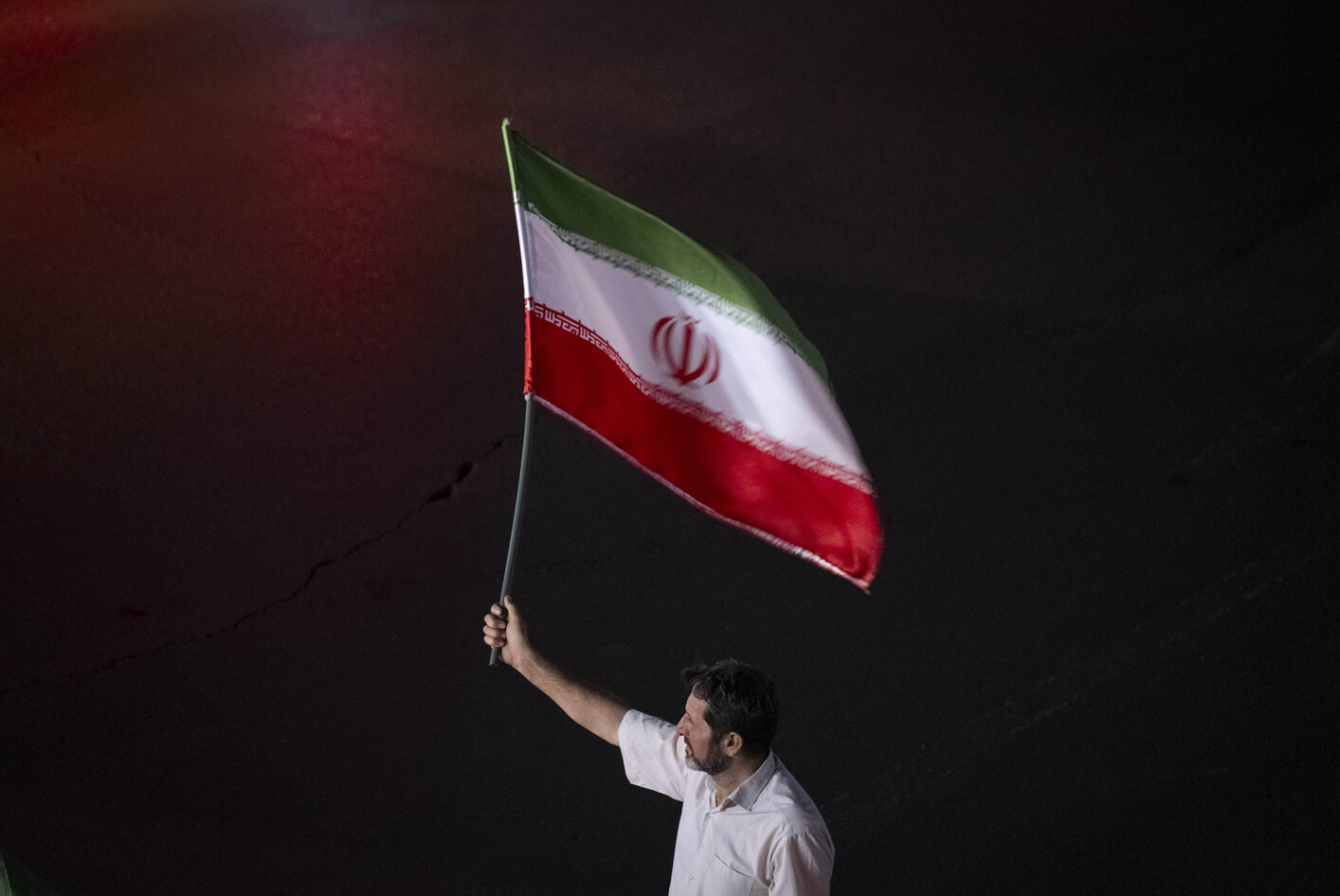
Phase One: 4 Key Points
According to unofficial sources, the first phase of the understanding included four key points: First, stopping the war on all fronts, including Southern Lebanon, with American guarantees not to launch Israel any new attack on Lebanon and Iran, with these guarantees to be fortified by a UN Security Council resolution.
The second point pertains to reopening the Strait of Hormuz in exchange for lifting the U.S. naval blockade. Information indicates that Iran has indeed allowed more commercial ships to pass in recent days to show goodwill. Additionally, there have been leaks about American approval of a daily inspection mechanism for Iran-related ships, allowing them to pass after verifying their identity.
However, the strait issue remains full of complex questions. Will the United States become a partner with Iran in managing Hormuz? Will Washington establish a base in Oman to manage transit? What role will Muscat play in any new arrangements? Another question arises concerning the fees Iran currently imposes on transiting ships, and whether they will remain or be adjusted under any future agreement.
The third point involves the release of part of Iran’s frozen funds. Following the understanding, Qatar is set to quickly pay $12 billion if the technical mechanisms for fund release require additional time, including $6 billion of Iranian assets frozen in South Korea and transferred to Qatari banks, with an expected total liberation of an additional $24 billion in the coming months.
The fourth point includes reducing the American military presence in the Gulf, as an attempt to signal that Washington does not plan to launch a new war, granting a time period of 30 to 60 days to negotiate major contentious issues, effectively separating war cessation from resolving all outstanding issues.
Phase one: four main points
According to unofficial sources, the first phase of the understanding includes four main points. The first is a halt to hostilities on all fronts, including southern Lebanon, along with American guarantees that Israel will not carry out any new attacks on Lebanon or Iran, with these guarantees to be formalized through a United Nations Security Council resolution.
The second point concerns reopening the Strait of Hormuz in exchange for lifting the American maritime blockade. Information suggests that Iran has already allowed a larger number of commercial ships to pass in recent days as a gesture of goodwill. Leaks also indicate American approval of a daily inspection mechanism for ships linked to Iran, allowing them to pass after verification of their identity.
However, the Strait issue remains full of complex questions. Would the United States become a partner with Iran in managing Hormuz? Would Washington establish a base in the Sultanate of Oman to oversee transit operations? What role would Muscat play in any new arrangements? Another question also arises regarding the fees currently imposed by Iran on passing ships, and whether they would remain or be adjusted under any future understanding.
The third point is the release of part of Iran’s frozen funds. Under the agreement, Qatar would urgently provide 12 billion dollars if the technical mechanisms for releasing the funds require additional time, including 6 billion dollars from Iranian assets frozen in South Korea and transferred to Qatari banks, while a further 24 billion dollars is expected to be gradually released in the coming months.
The fourth point involves reducing the American military presence in the Gulf, as an attempt to signal that Washington is not planning a new war, with a window of 30 to 60 days granted to negotiate the major disputed files. This effectively means separating the ceasefire from the resolution of all outstanding issues.
Phase two: sanctions, nuclear issue, and compensation
The more complex issues were postponed to the second phase of negotiations, most notably the lifting of economic sanctions, a firm Iranian demand since the beginning of the crisis. Estimates suggest that the complexity of sanctions imposed over recent years makes their removal extremely sensitive and difficult for the United States.
The nuclear file remains the most sensitive. So far, there is no clear agreement on the enrichment levels Iran might accept in the future, whether returning to the 3.67 percent cap or limiting itself to 20 percent. Uncertainty also remains over the duration of any possible suspension of enrichment, whether it would last five years or twenty years, or whether Tehran might reject suspension altogether.
In addition, the fate of around 400 kilograms of uranium enriched to 60 percent remains a central point of dispute, amid questions about whether it could stay inside Iran or be transferred to China or Russia. Leaks suggest that the positions of the young third Supreme Leader of the Islamic Republic, Mojtaba Khamenei, remain far from American demands, particularly regarding a long suspension of enrichment and the removal of uranium stockpiles from the country.
The issue of compensation is no less sensitive than the nuclear file. Inside Iran, factions opposing any agreement with Washington are demanding compensation for war damages estimated at 270 billion dollars according to some projections. It remains unclear whether the United States is willing to bear any part of this cost, or whether Iran would abandon the demand if Washington rejects it.
While recent statements by US President Donald Trump suggest initial acceptance of Iranian proposals for the first phase, Israel appears dissatisfied with this understanding, and any potential settlement also faces internal opposition within Iran. Therefore, despite the current momentum toward an agreement, the number of disputed issues remains large, and opponents of any US Iranian rapprochement are still capable of disrupting the process, making the possibility of the region slipping back into renewed confrontation in the coming months a strong and realistic risk.