

Iran–U.S. talks advance on phased deal as nuclear issue pushed to later stage
While Washington and Tehran signal progress on a broader 14-point understanding covering ceasefire terms, key disputes over Iran’s nuclear program, frozen assets, and uranium stockpiles remain unresolved and deferred to future negotiations.


 Messenger
 Whatsapp
 Threads
 Email
Email
 Print
Print
 X
X
 Facebook
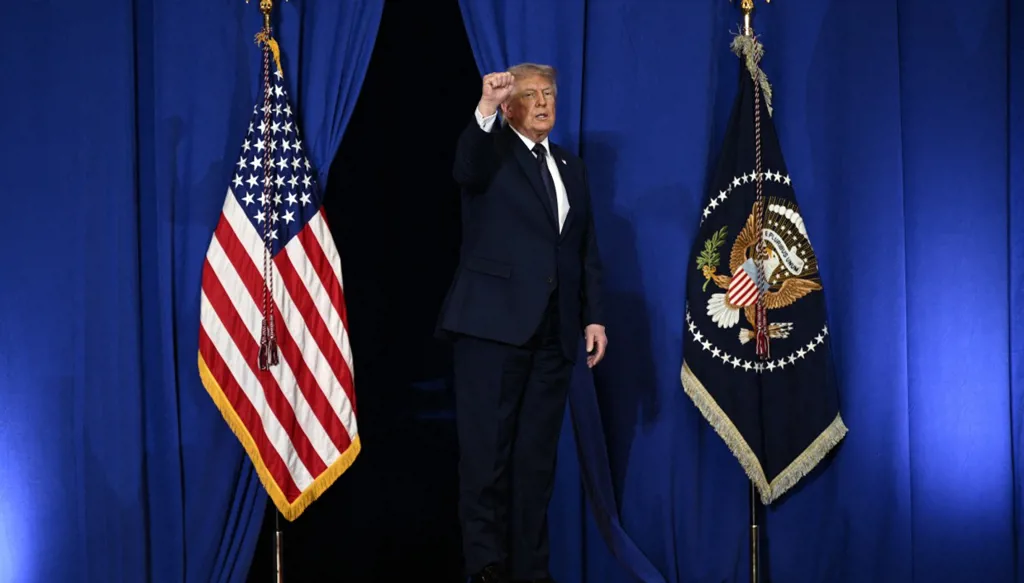


U.S. President Donald Trump has tempered expectations of a swift agreement with Iran to end the war in the Middle East, stressing that he is in no rush to reach a deal, while Israeli Prime Minister Benjamin Netanyahu reaffirmed his commitment to ending Tehran’s nuclear program and ensuring freedom of military action “on all fronts,” including Lebanon.
Iran and the United States said on Saturday that progress had been made in talks led by Islamabad to end the war launched by the United States and Israel against Iran on February 28. Meanwhile, U.S. Secretary of State Marco Rubio spoke of a possible “good news” announcement later on Sunday.
However, this wave of optimism was checked on Sunday by Trump’s remarks, posted on his Truth Social platform, in which he said: “The negotiations are proceeding in an orderly and constructive manner, and I have instructed those representing me not to rush into concluding a deal, as time is in our favor.”
He added that “both sides must take their time and reach the right solution,” while at the same time insisting on continuing the U.S. naval blockade on Iran “in full until an agreement is reached, ratified, and signed.”
Axios also quoted a senior U.S. official as saying that the White House does not expect a breakthrough on Sunday to end the war and believes it may take several days for Tehran to agree to a deal.
Rubio had said hours earlier that there was a “possibility that the world may receive good news in the next few hours.”
While the White House did not disclose the details of the understanding, Iranian Foreign Ministry spokesperson Esmail Baqaei said on Saturday that work was underway on a 14-point memorandum of understanding, which would focus in particular on ending the war on all fronts, while postponing discussion of contentious issues, most notably the nuclear file, to a later stage spanning 30 to 60 days.
Regarding the nuclear issue, Rubio said that an agreement with Tehran on this matter cannot be reached “within 72 hours.”
In what appeared to be an explanation for excluding the nuclear file from the initial understanding, Rubio told The New York Times: “We are not postponing it to a later time. Nuclear negotiations are highly technical matters. You cannot resolve a nuclear issue in 72 hours.”
He stressed that “nothing has changed. The President (Trump) has been clear. Iran will never obtain a nuclear weapon,” adding that Washington prefers to ensure this through diplomatic means.
He also confirmed that reaching an agreement on the nuclear file “will take some time; you know it cannot take years, but we will need some time to resolve the technical issues.”
In a new post on Sunday, Donald Trump said: “If I strike a deal with Iran, it will be a good and appropriate deal, not like the deal Obama made,” referring to the 2015 nuclear agreement negotiated by the former Democratic president.
The Republican president also appeared to be responding to criticism from within his party over the weekend regarding the possibility of reaching a deal seen as favorable to Iran.
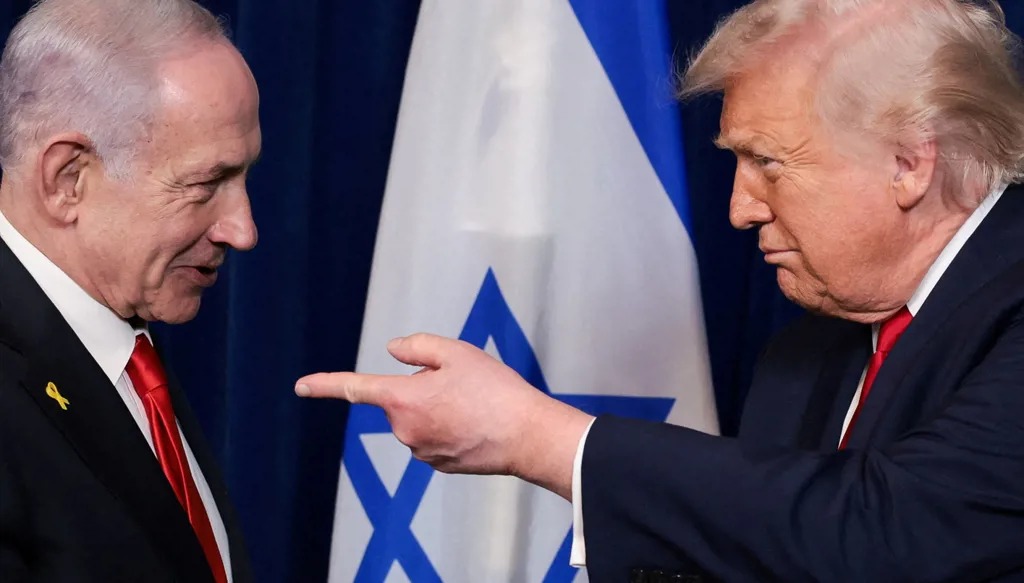
Following a phone call with Trump, Netanyahu said on Sunday that he had agreed with the U.S. president on points that clearly contradict the direction described by Tehran.
He stated in a press release: “The President and I agreed that any final deal with Iran must fully eliminate the nuclear threat. This means dismantling Iran’s uranium enrichment facilities and removing enriched nuclear material from its territory.”
He added that Trump affirmed Israel’s “right to self-defense against threats on all fronts, including Lebanon,” where Israel continues to carry out daily strikes despite the ceasefire agreement with Hezbollah in force since April 17.
“Strait of Hormuz now, nuclear later”
CBS News reported, citing informed sources, that the proposed understanding includes the release of some Iranian assets frozen in foreign banks and the continuation of negotiations for 30 days.
However, the Iranian Tasnim news agency reported that “despite the discussions held today (Sunday), the United States continues to obstruct certain provisions of the agreement, particularly the issue of releasing frozen Iranian funds, and these points remain unresolved so far.”
Trump had previously indicated that the settlement would include the reopening of the Strait of Hormuz, which has been effectively closed by Iran since the start of the war, causing disruptions in global markets.
In Tehran, the Fars news agency reported that the agreement does indeed provide for the reopening of the strait, while it would remain under Iranian control.
It also noted that sanctions on Iran’s exports of oil, gas, and other petrochemical products would be lifted during the period of ongoing negotiations.
The New York Times reported, citing U.S. officials, that the understanding does not settle the fate of Iran’s stockpile of enriched uranium, which would be addressed in a later round of negotiations.
Rubio said that the understanding would mark the beginning of “a process that would ultimately lead us to what the President (Trump) wants, which is a world that no longer fears or worries about an Iranian nuclear weapon.”
Baqaei also confirmed on Saturday that the progress toward an understanding “does not necessarily mean that Iran and the United States will reach an agreement on major issues,” stressing that the nuclear file is not being discussed “at this stage.”
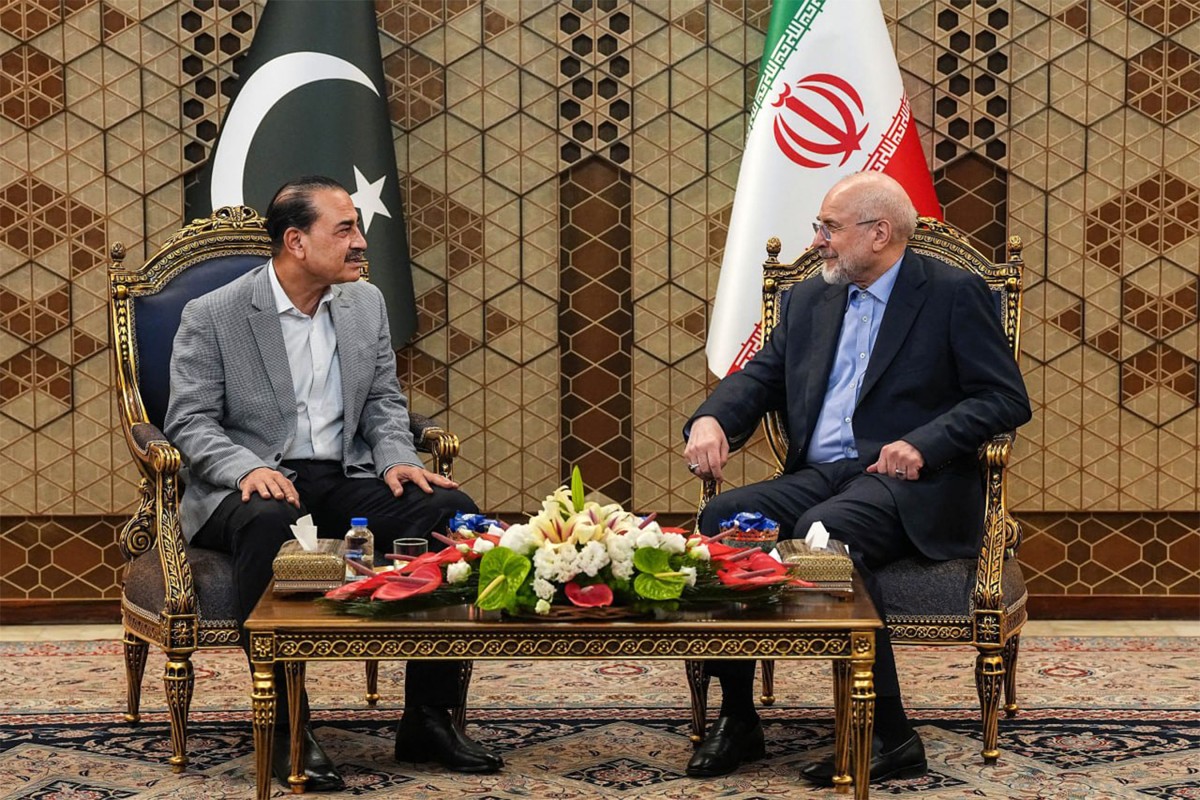
Pakistani Prime Minister Shehbaz Sharif sparked speculation on Sunday about a phased solution, saying he hoped to host the next round of talks “very soon.”
The first round, which did not result in an agreement, was held in Islamabad on April 11.
That round took place within the framework of a ceasefire agreement brokered by Pakistan, which came into force on April 8 after more than a month of war that left thousands dead.