

Iraq’s 2005 Constitution: Between federalism, oil, and a fragmented state model
Two decades after its adoption, Iraq’s constitutional order remains a battleground over identity, federalism, and resource control, raising deeper questions about whether the country is building a state of institutions or permanently negotiating its divisions.


 Messenger
 Whatsapp
 Threads
 Email
Email
 Print
Print
 X
X
 Facebook
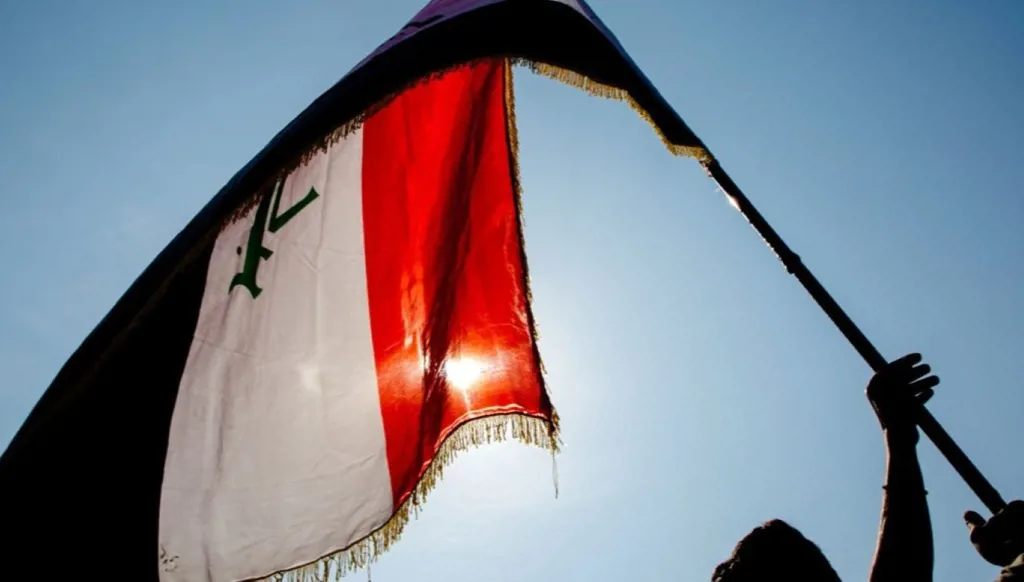


At the heart of the political transformations that followed 2003, Iraq entered a complex constitutional phase that fundamentally redefined the concept of the state, placing the country before a model of governance based on political, ethnic, and religious plurality in an attempt to achieve a delicate balance among the components of Iraqi society. The constitution approved in 2005 was not merely a legal document but a major political compromise among forces with divergent visions and affiliations, resulting in a text that reflects fragile consensus in many of its elements rather than a stable social contract.
In this context, the issues of "components" emerged as a main pivot in reshaping the political system, where national, religious, and sectarian diversity was recognized as a foundation for building the state, with the adoption of a federal parliamentary system that grants provinces and regions broad powers. This transformation was not purely technical but also brought with it a redefinition of the very concept of citizenship, between a traditional central state and a decentralized model based on the distribution of power and wealth.
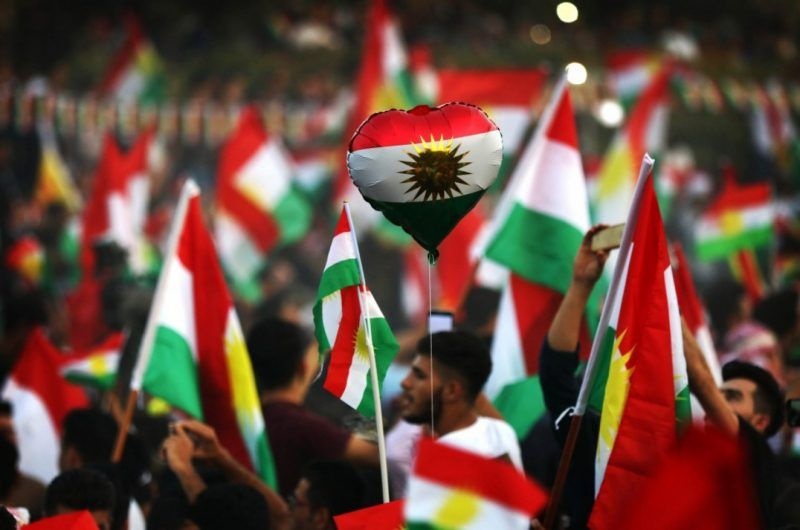
The Kurdistan experience standard
The issue of federalism occupies a sensitive position in the Iraqi constitutional experience, particularly in light of the Kurdistan Region’s experience, which has solidified a quasi-independent model within the federal state, sparking ongoing discussions about the limits of power between the center and the peripheries and the nature of the relationship between Baghdad and the other provinces. This debate was not merely administrative but was directly tied to questions of state unity and political stability.
The issue of oil wealth is no less important than other constitutional dilemmas, as the constitution states that oil and gas belong to all the Iraqi people, yet at the same time it allows for multiple interpretations regarding the mechanisms of management and distribution, creating differences in views between the federal government and the region. This divergence has made oil not merely an economic resource, but a central element in political negotiation and in shaping power balances within the state.
These issues intersect with other regional experiences, particularly Lebanon, where sects and components play a structural role in the political system, albeit within different historical and institutional contexts. However, the comparison remains relevant in understanding how diversity is managed in post-conflict political environments. This raises a broader question of how constitutions can become arenas of continuous negotiation rather than serving as a final framework for stability.
Identity, federalism, and oil
Legal and constitutional expert Ali Al-Tamimi told Annahar that the Iraqi Constitution of 2005 “came in the context of attempting to address three major conflicting files at once, namely the identity forming the political system, the shape of the federal state, and the issue of oil wealth, but it ended up reproducing the political crisis instead of containing it.”
Al-Tamimi explained that “the Constitution practically established a quota system through articles related to components, languages, and shared powers, and explicitly acknowledged federalism by recognizing the Kurdistan Region and allowing the formation of other regions, which contributed to the emergence of multiple political entities competing over influence, borders, and resources. The constitutional text, which acknowledges the ownership of all Iraqis over oil, was not translated into an effective central administration, leaving broad powers to the region and producing provinces, and creating a duality in managing the most important sovereign resource in the country.”
He added: “This constitutional arrangement led to an unbalanced separation between politics and the economy, turning federalism from a tool for integration into a space for political disputes, while the parliament lost its legislative and oversight function in favor of the logic of negotiating positions and sharing resources, especially in sovereign files,” continuing a comparison with the Lebanese experience. The two countries share prominent structural features such as political sectarianism, a weak central state, and recurring governmental crises, but the fundamental difference lies in the nature of the economy: “in Iraq, the oil economy provides each component with a margin of relative financial independence, deepening the separatist tendency within the political system, while in Lebanon, the service and financial economy imposes a state of mutual dependence that keeps political parties compelled to continuous negotiation despite political paralysis.”
Thus, Iraq is heading toward functional fragmentation in state management due to the abundance of oil resources, while paralysis in Lebanon leads to continuous disruption without a similar collapse in the state’s structure, due to the absence of an independent economic alternative.
In light of this, the Iraqi constitutional experience appears as an open model for continuous reinterpretation and amendment, where questions of state, identity, power, and wealth sharing remain unresolved issues but continue to form the essence of ongoing political debate to this day, making the reading of the Iraqi Constitution more a reading of the balances of a post-transformation country than of a rigid legal text.
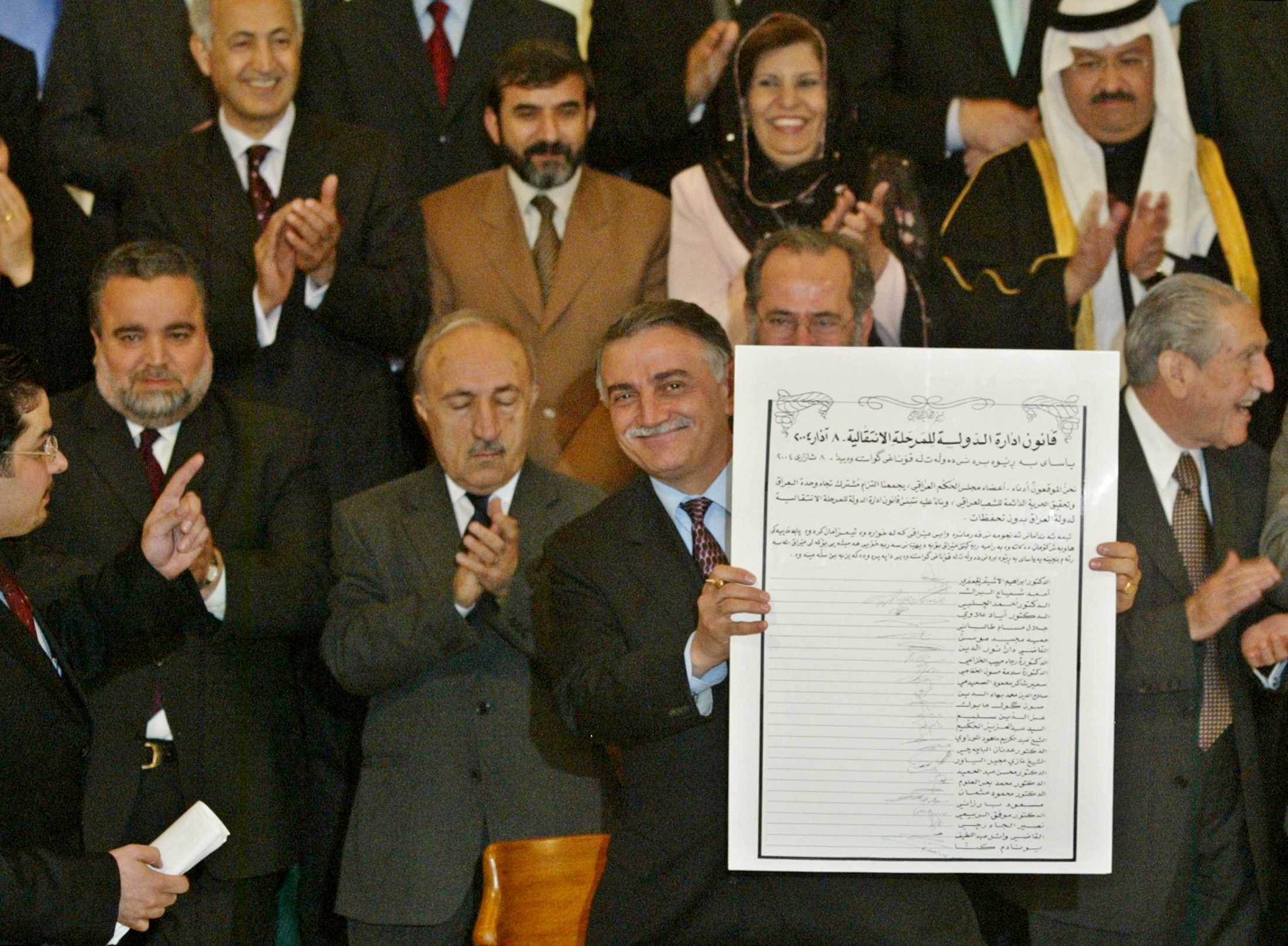
From components state to institutions state
In contrast, researcher and academic Majashaa Al-Tamimi told Annahar: “Since the approval of Iraq’s Constitution in 2005, the constitutional text has become a space for settlement between political forces more than a project for a cohesive state. The Constitution tried to manage ethnic and sectarian diversity through the concept of components, federalism, and power-sharing, but it also opened the door to the entrenchment of quotas instead of building citizenship. The problem is not in recognizing plurality itself but in transforming sub-identities into a constant basis for governance, administration, and political representation.”
Al-Tamimi explained that the talk of federalism was supposed to enhance decentralization and development, “but it has been associated with conflicts over oil, powers, and resources between Baghdad and the regions, particularly with the Kurdistan Region. The ambiguity of some constitutional provisions has allowed for conflicting interpretations that have stalled the building of stable institutions,” adding: “The similarity with the Lebanese model lies in the idea of sectarian balances, but Iraq has the opportunity to surpass this path if it transitions from a components-based state to an institutions-based state, and any real reform begins with redefining the relationship between the state and the citizen, not between the state and the sect.”