

Hormuz crisis deepens as U.S., Iran, and Pakistan push fragile talks
As diplomatic efforts stall and military risks persist, restrictions in the Strait of Hormuz threaten oil flows, fertilizer supply chains, and global economic stability.


 Messenger
 Whatsapp
 Threads
 Email
Email
 Print
Print
 X
X
 Facebook


U.S. Secretary of State Marco Rubio expressed hope on Thursday for progress toward an agreement with Iran to end the Middle East war, with mediation from Pakistan. Pakistani army chief Asim Munir is expected to visit Tehran.
The announcement of Munir’s anticipated visit was reported by Iranian media. Munir, an influential figure, has played a growing role in Pakistan’s foreign relations. The announcement came a day after U.S. President Donald Trump warned that negotiations stood at a “crossroads” between agreement and the resumption of strikes.
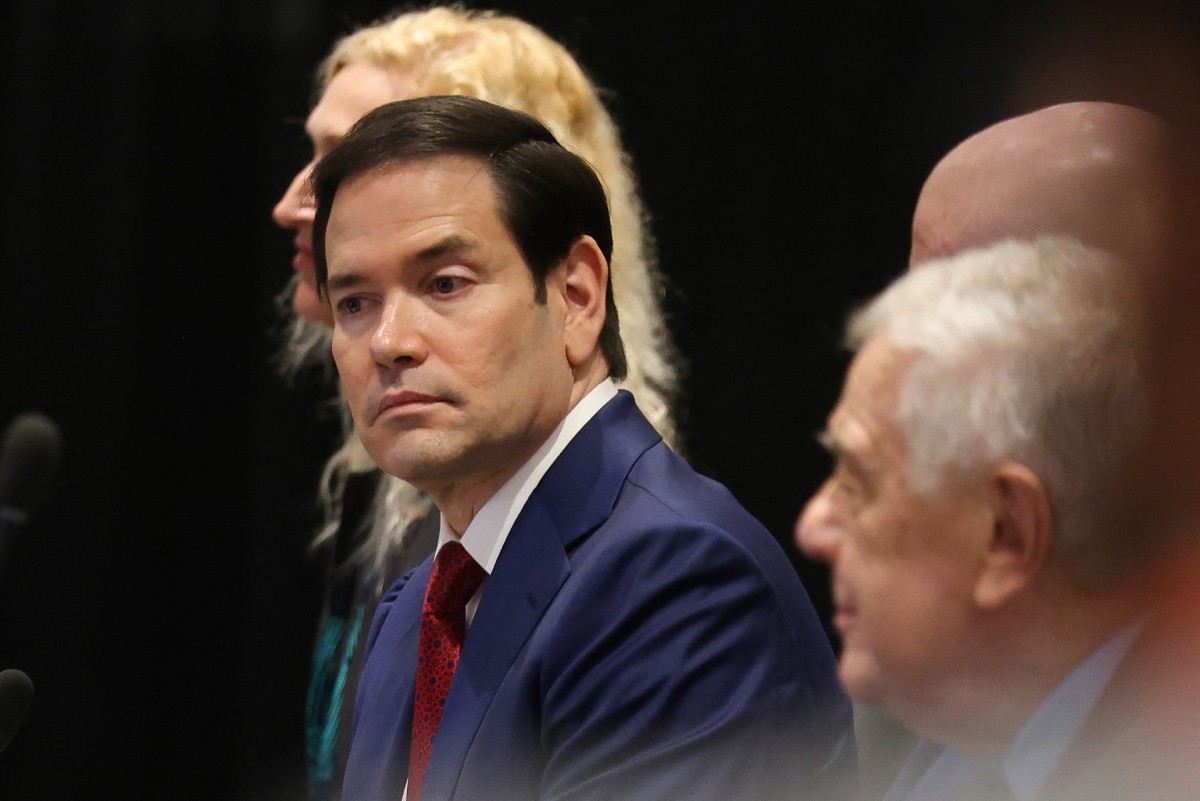
Rubio told reporters on Thursday, “I believe the Pakistanis are heading to Tehran today. So, we hope this will help push matters forward,” as he spoke about progress in this area.
A ceasefire on April 8 ended hostilities in the war launched by the United States and Israel since February 28, but negotiation efforts have not yet resulted in a permanent peace agreement.
A war of words has replaced open conflict, but the stalemate continues to pressure the global economy and generate uncertainty.
The Iranian Student News Agency (ISNA) reported Munir’s expected visit on Thursday, stating it aims to continue “talks and consultations.” Other outlets reported the same, while Pakistan has not confirmed sending an envoy.
In April, Pakistan hosted a round of direct negotiations between U.S. and Iranian officials, the only talks since the war began.
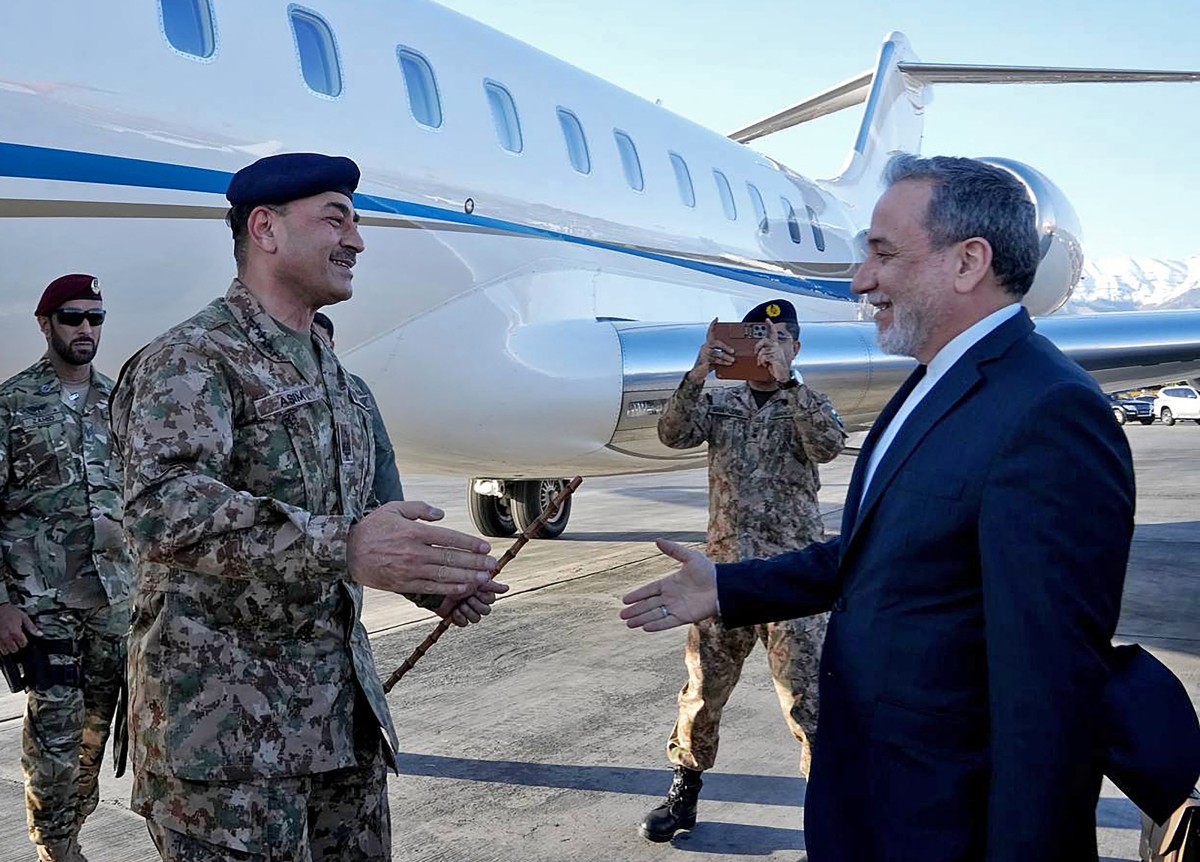
Munir was instrumental in that round of talks, welcoming the delegations upon their arrival and maintaining a notably friendly atmosphere with the heads of the negotiating teams, U.S. Vice President J.D. Vance and Iranian Parliament Speaker Mohammad Bagher Ghalibaf.
However, the talks ultimately failed, with Iran accusing the United States of making “excessive” demands.
Since then, both sides have exchanged several proposals, while the risk of renewed war remains as verbal warnings continue.
Trump told reporters on Wednesday that matters are “at a crossroads, believe me. If we don’t get the right answers, things will go south very quickly. We are all on high alert.”
He added, “We have to get the right answers; they must be 100% complete.”
American criticism of NATO
In a parallel development, Ghalibaf said on Wednesday that Washington is seeking to resume the war, warning of a “strong response” if Iran is attacked. He added that “the enemy’s moves, both declared and covert, show it has not abandoned its military objectives despite economic and political pressure, and is looking to start a new war.”
Meanwhile, Iranian Foreign Ministry spokesperson Esmail Baghaei said on Wednesday that Tehran is reviewing points received from Washington, reiterating demands for the release of its frozen assets abroad and an end to the U.S. naval blockade on its ports.
Trump faces political pressure domestically as energy costs rise. Although the ceasefire halted combat, it has not led to the reopening of the Strait of Hormuz, the vital waterway through which approximately a fifth of the world’s oil and liquefied natural gas normally transits.
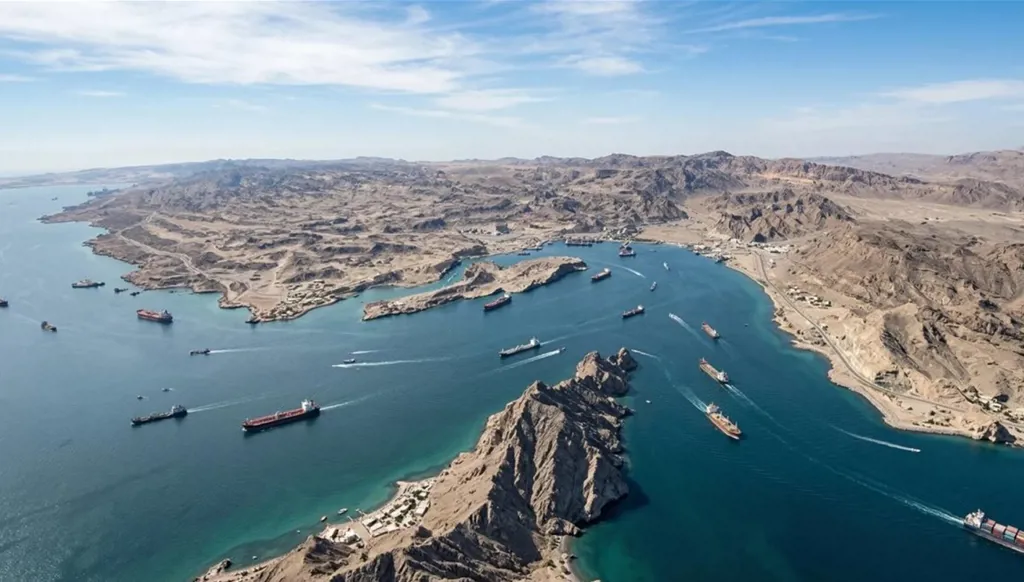
The future of the Strait of Hormuz remains a major sticking point in the negotiations, amid growing concerns over the global economic impact and declining pre-war oil stockpiles.
On Thursday, Rubio renewed his criticism of NATO, saying the alliance has not provided any support for the U.S. war on Iran, particularly its refusal to take part in any operation to reopen the Strait of Hormuz.
Rubio, as he headed to Sweden for a NATO foreign ministers’ meeting, said that Trump “is not asking them to deploy their fighters. But they refuse to do anything… We have been very disappointed with that.”
Iran imposed restrictions on the Strait of Hormuz during its military response in the war, allowing only a limited number of “friendly” nations’ ships to pass, while also introducing a toll system for transit.
About a third of global fertilizer shipments also pass through Hormuz, raising concerns about food price spikes and shortages if the closure persists.