

Amnesty law reignites political and street tensions amid disputed exclusions and sentence reductions
Debate over Lebanon’s long-delayed general amnesty law exposes deep political divisions and public anger across regions and communities


 Messenger
 Whatsapp
 Threads
 Email
Email
 Print
Print
 X
X
 Facebook
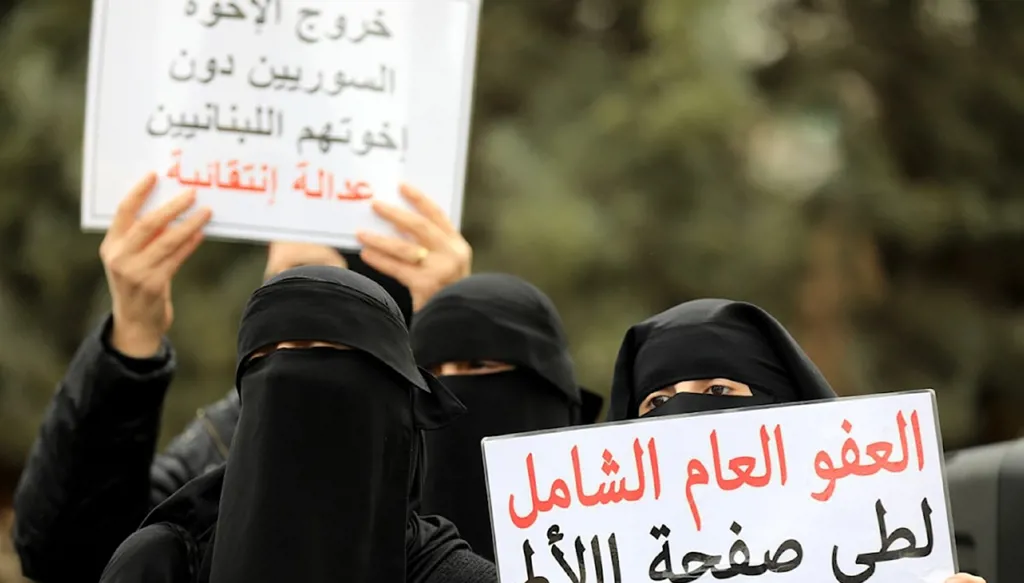
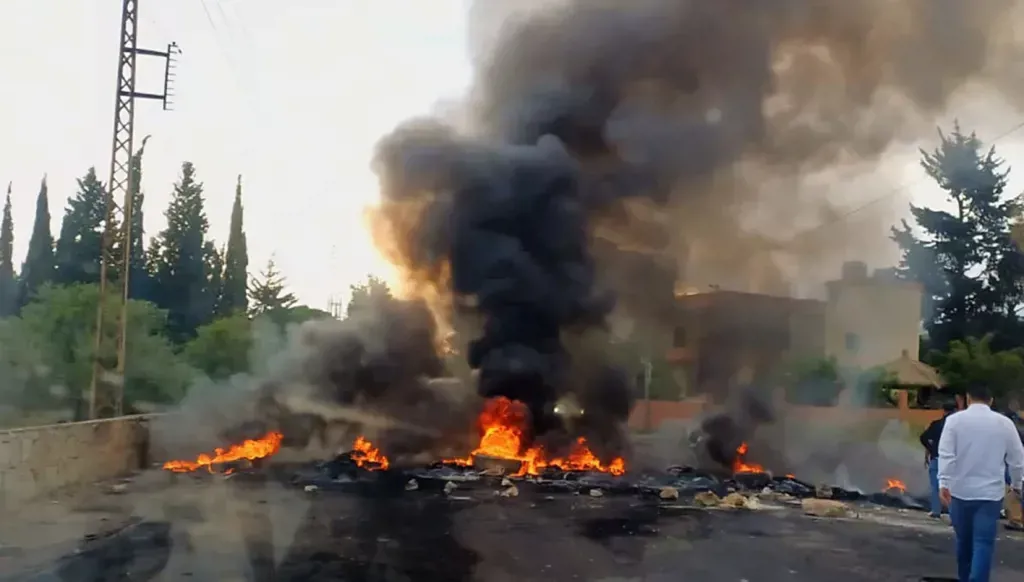
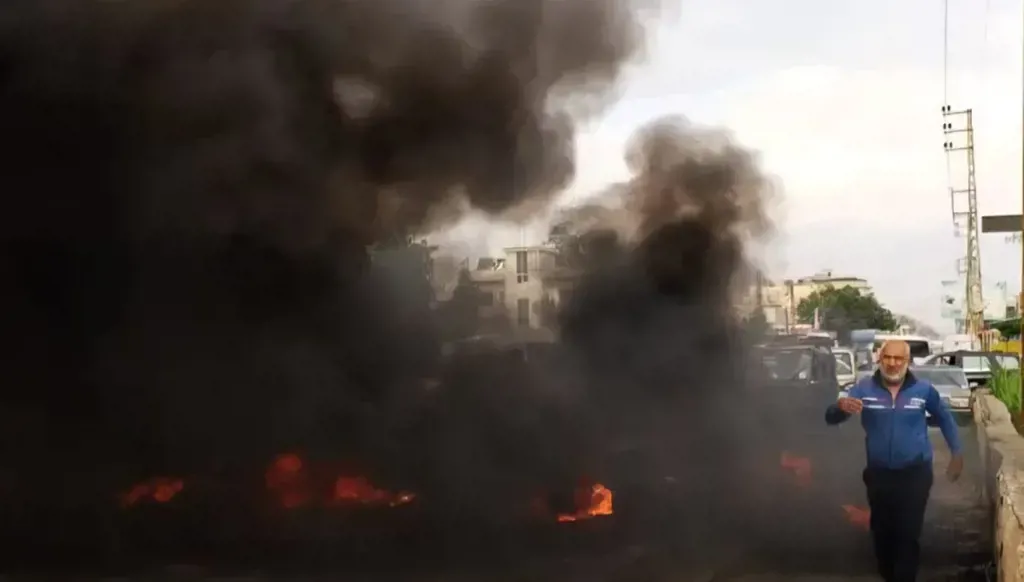


Reaching agreement on an amended version of the draft general amnesty law was not easy in parliament, and the MPs faced limited options, either agreeing on a version of the law or leaving the matter to be decided in the legislative session, after Deputy Speaker Elias Bou Saab worked hard to reconcile between the parliamentary blocs. However, all of this was derailed by objections to the law, and the session to approve it was cancelled.
From the north to the south, passing through the Bekaa
It is no secret that every parliamentary bloc was seeking to satisfy its voters and supporters through the general amnesty law, which had been absent for more than three decades due to the lack of agreement among parliamentary blocs and political forces on its adoption since the law was issued during the era of the late President Elias Hrawi in 1991, and then following the issuance of a special pardon by the leader of the Lebanese Forces party, Samir Geagea, and detained Islamists in July 2005.
However, the approval by the joint parliamentary committees of the draft law’s formulation sparked a wave of objections and protests in Tripoli and Sidon in particular, which included road blockades during a complex period Lebanon is experiencing amid the escalating war between Israel and Hezbollah and waves of displacement from southern towns following Israeli threats, forcing displaced residents to head north. This further heightened fears of internal confrontation and was taken up by security forces, especially the Lebanese Army, which worked hard to reopen roads, particularly in Khaldeh, Naameh, and Sidon.
The protests were driven by objections to the exclusion of a number of Islamist detainees from the general amnesty law, most notably Ahmad al-Assir, who was convicted of killing Lebanese Army soldiers. His supporters say that parties had intervened to frame him and attribute charges to him that he is innocent of.
Between criticism of what the military institution had proposed and the political overbidding of some MPs, the draft law moved from the joint committees to the general assembly, which was expected to discuss it with a strong likelihood of its approval in the legislative session.
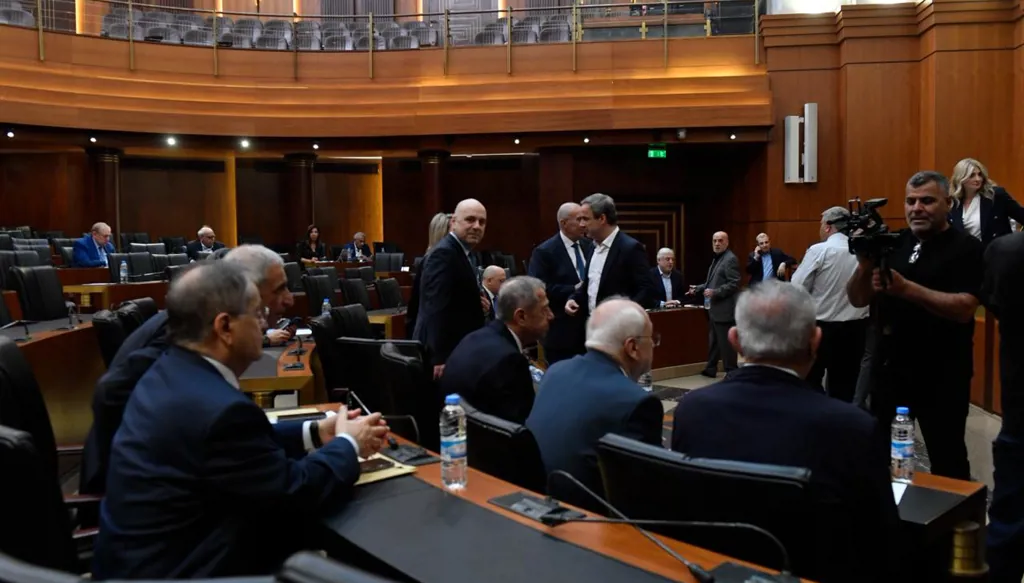
Opponents outside closed-door meetings
During the heated debate, a Bekaa MP told journalists who asked him about the general amnesty: “I am not enthusiastic about that law, nor about the release of those who committed drug trafficking crimes.”
This characterization reflected a reluctance to openly support the inclusion of drug traffickers in the general amnesty, or at least no parliamentary confrontation was recorded on that basis.
However, this translated into public anger, especially since the committees that were following the issue of a general amnesty for wanted and convicted individuals in drug-related cases, despite their fundamental disagreement with the follow-up committees dealing with the issue of Islamist detainees, shared with them the importance of passing a general amnesty. The current draft law excludes drug traffickers, especially those who repeatedly committed such offenses, which prompted their families to protest.
It is also no secret that some MPs engaged in what could be described as political grandstanding during the discussions of the joint committees on the law, whether by objecting to the length of the sentences that were adopted, or by attempting to tailor the law to fit specific defendants.
Disclaimer: The opinions expressed by the writers are their own and do not necessarily represent the views of Annahar