

Tehran braces for possible US-Israel strike amid Trump escalation
Amid rising threats, military alerts, and fragile diplomatic contacts, Iran weighs potential nuclear understandings while deep mistrust of the United States fuels fears that any deal or delay could mask a wider military confrontation.


 Messenger
 Whatsapp
 Threads
 Email
Email
 Print
Print
 X
X
 Facebook
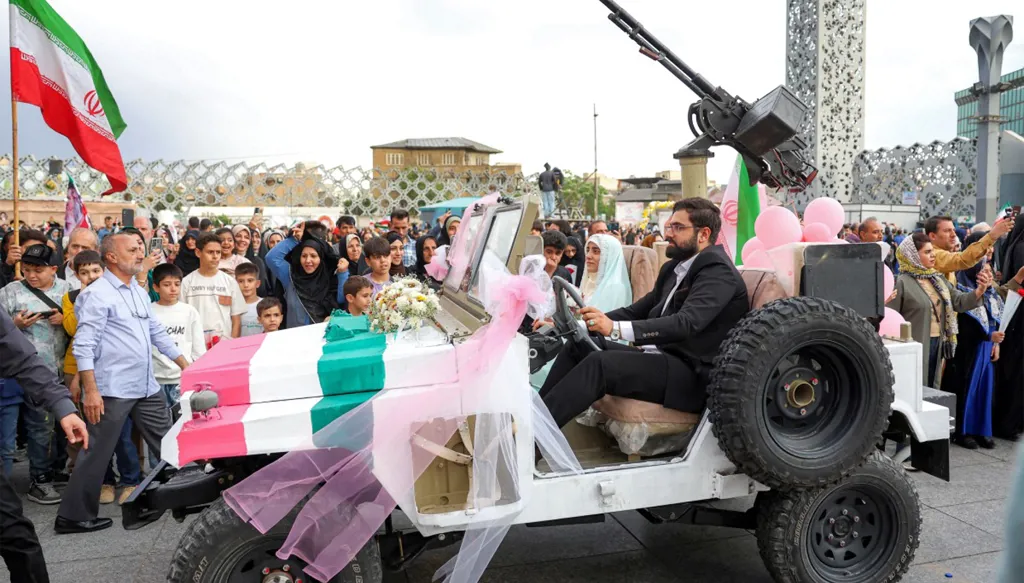
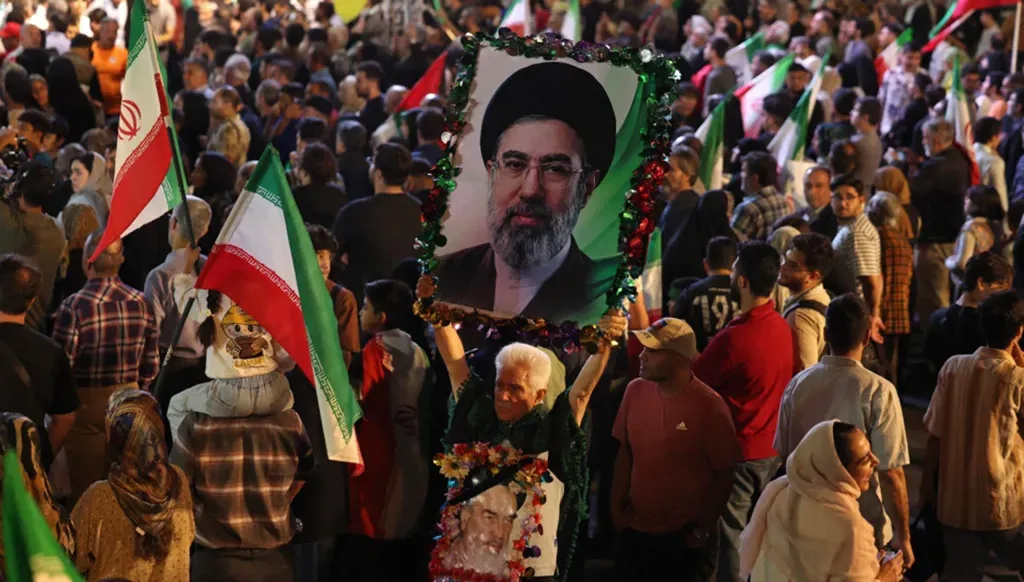
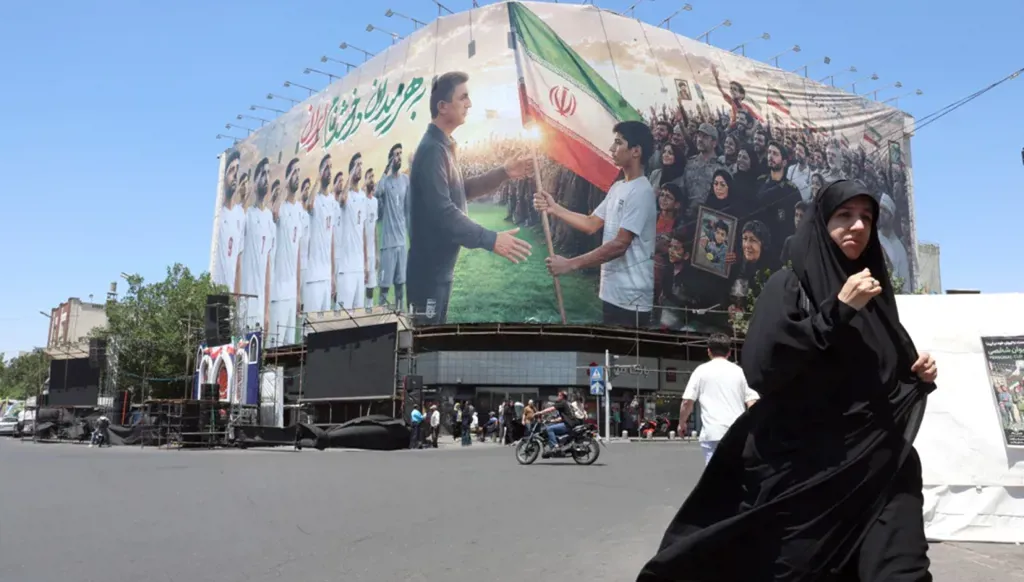


Threats from Donald Trump have raised the state of alert in Tehran
Following the series of messages sent by Trump in recent days, in which he stated that Iran’s proposals were not satisfactory, he posted on Sunday evening on his Truth Social account an image showing US forces carrying out an attack on Iran from multiple countries surrounding it. He then threatened that Iran would be “completely destroyed” if no agreement is reached.
These statements have strengthened assessments of a possible resumption of a United States Israeli war in the coming days. Iran has taken these threats extremely seriously, to the extent that the armed forces were placed on 100 percent alert, and state television announced the “start of military training for civilians in preparation for any potential aggression.” Reports also indicate that senior officials issued instructions to arm civilians if necessary for the country’s defense.
In this atmosphere, Pakistan’s Interior Minister Mohsin Naqvi, who had arrived in Tehran as part of efforts to prevent war, extended his stay for a third consecutive day. There were also reports on Monday evening of an unofficial visit by a Qatari delegation to Tehran, in a clear sign of increasing regional diplomatic activity aimed at preventing the outbreak of military confrontation.
In the final hours of Monday night into Tuesday, Trump announced that a military strike planned for Tuesday against Iran had been canceled. He said this decision came following a request and mediation by His Highness the Emir of Qatar Sheikh Tamim bin Hamad Al Thani, Crown Prince of Saudi Arabia Mohammed bin Salman Al Saud, and President of the United Arab Emirates Mohammed bin Zayed Al Nahyan, noting that “serious negotiations are currently underway, and it appears that an agreement acceptable to the United States, Middle Eastern countries, and even beyond is possible.”
Trump stressed that this agreement, “above all,” would ensure that Iran does not obtain a nuclear weapon, pointing clearly to the fact that the nuclear file remains the most sensitive issue in the dispute between Tehran and Washington, and also the main pretext used by Israel in its confrontation with Iran.
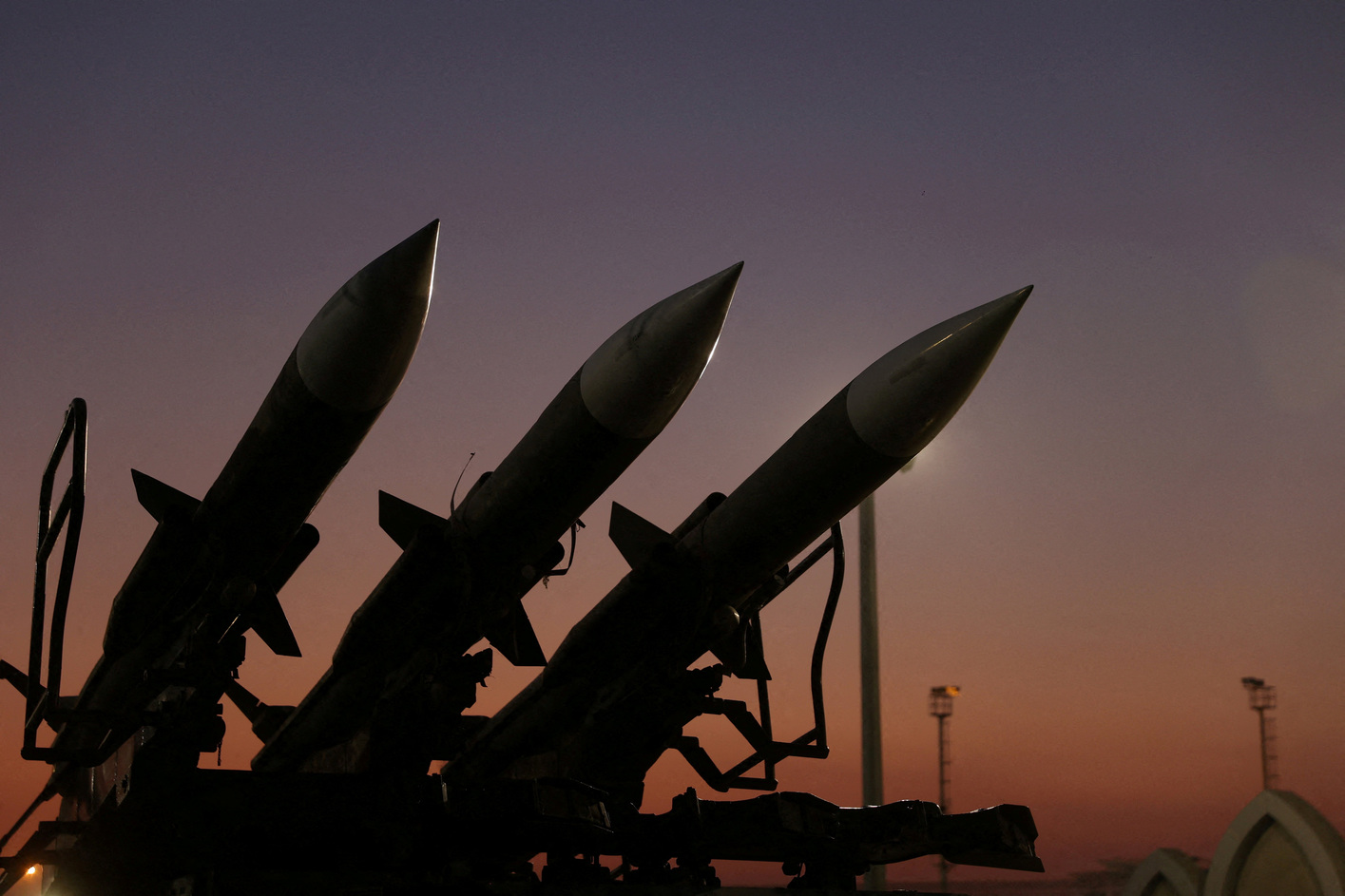
Nuclear understandings under the pressure of escalation
Unconfirmed information indicates that the United States has agreed not to take custody of 440 kilograms of Iranian uranium, with the material to be transferred to a third country such as Russia or China. Although Iranian officials have not officially confirmed their readiness to hand over uranium enriched to more than 60 percent, a number of political experts in Iran have recently viewed this step as a “fair deal” if it leads to the lifting of US sanctions and a commitment by Washington and Tel Aviv not to launch new attacks on Iran.
On the other hand, the hardline faction inside Iran strongly opposes this approach, going as far as claiming that Iran’s Supreme Leader Ebrahim Raisi instructed criticism toward the Speaker of Parliament and chief negotiator Mohammad Bagher Qalibaf over his talks in Islamabad regarding the nuclear file with US Vice President J.D. Vance.
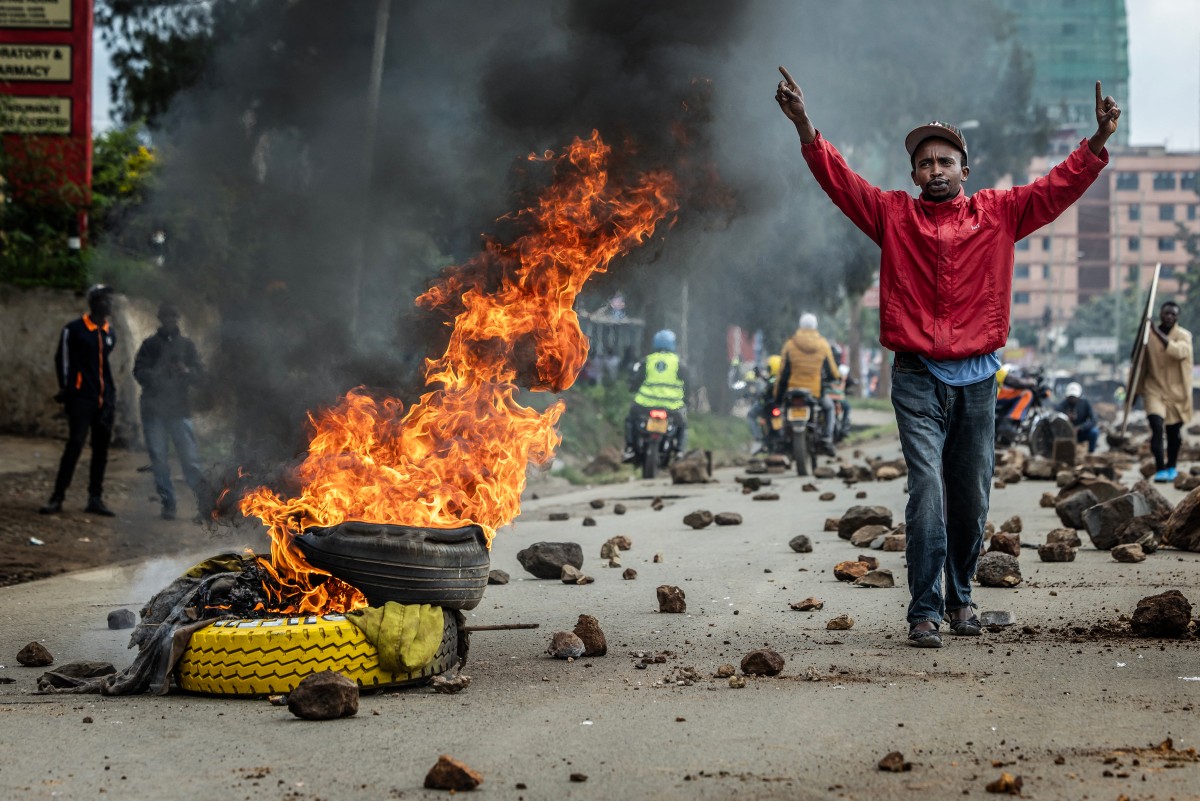
At the same time, the potential closure of the Strait of Hormuz and its serious consequences for global oil and energy prices appears to have been one of the main factors pushing Washington to hesitate in continuing the war. The effects of this crisis have even extended to East Africa, where sharp increases in fuel prices have caused disruptions in Kenya.
Iranian sources indicate that Tehran has informed Washington that the first step toward any agreement must be the lifting of sanctions on Iranian oil exports. In this case, Iran could sell around 3.5 million barrels per day at a price close to 100 dollars per barrel, generating weekly revenues of about 2.5 billion dollars, helping to ease economic pressures. The Iranian government had previously estimated the oil price in its budget draft at 50 dollars per barrel, before the recent war pushed it above 100 dollars.
However, it remains unclear whether a broader understanding can be reached on other issues, such as ending the war in Lebanon, paying compensation to Iran, and releasing frozen Iranian funds, especially since the pace of developments and rapidly changing decisions makes any accurate forecasting difficult.
Deep Iranian doubts
In Iran, although many politicians do not want the war to continue and consider it costly for the country, they also do not trust the United States, based on previous experiences, to the extent that some view Trump’s recent messages as nothing more than a “deception operation” aimed at preparing for a new surprise.
Within this context, the statements of Iranian President Masoud Pezeshkian are understood. He defended the principle of negotiating with Washington, but at the same time stressed that Iran “will not submit to threats or dictates.”
Some security experts in Iran warn that if negotiations fail, any upcoming United States Israeli strike could begin with assassination operations targeting prominent Iranian leaders, with the name of Mojtaba Khamenei being mentioned as one of the potential targets. They emphasize that the United States and Israel would not hesitate to carry out such operations whenever the opportunity arises.