

Qal'at al-Shaqif in southern Lebanon: Controlling the heights over Nabatieh
A dominant high ground overlooking southern Lebanon, Qal'at al-Shaqif is widely viewed in military assessments as the decisive point controlling movement, firepower, and any ground advance toward Nabatieh.


 Messenger
 Whatsapp
 Threads
 Email
Email
 Print
Print
 X
X
 Facebook
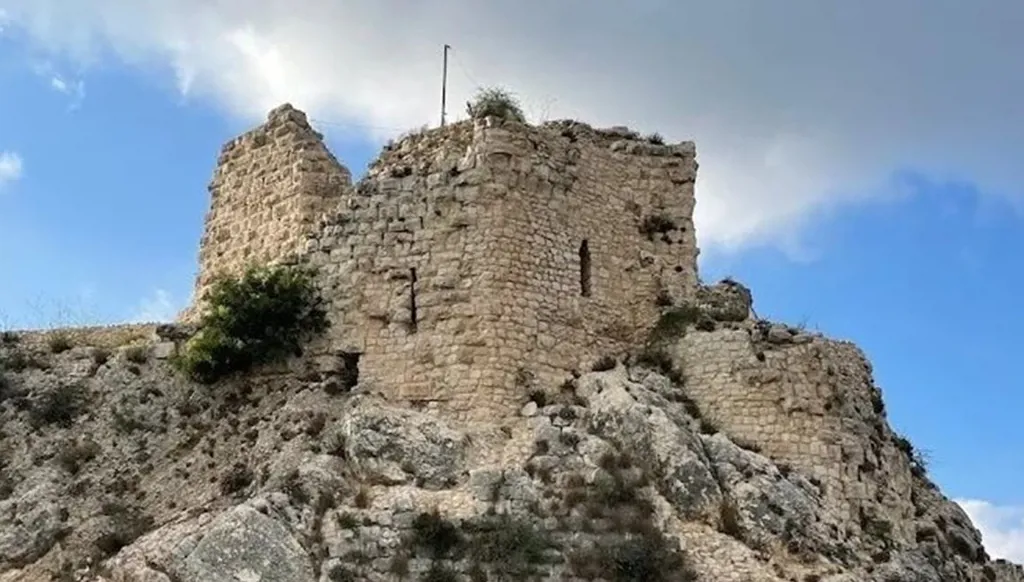
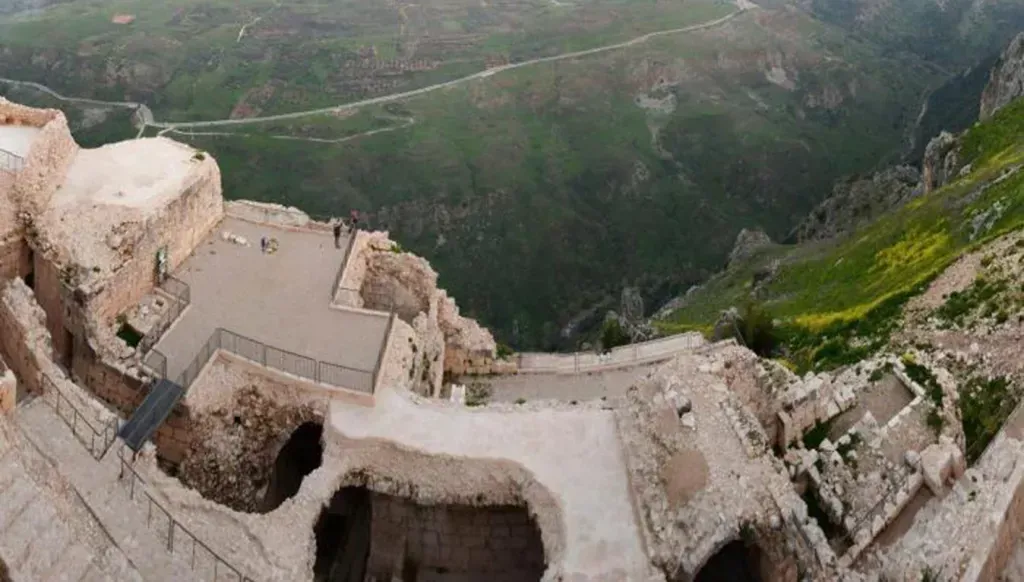
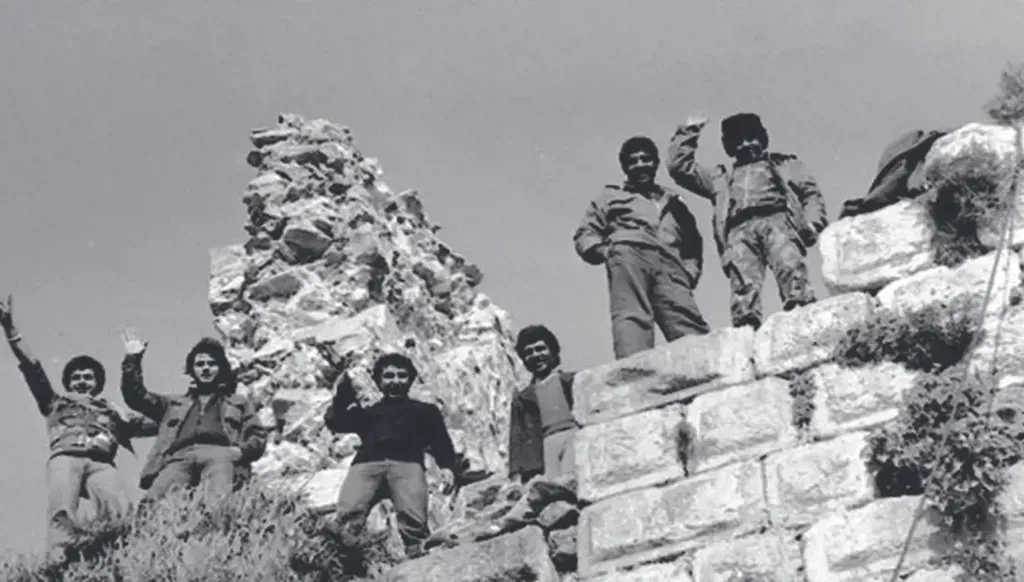


Qal'at al-Shaqif (Beaufort Castle) in Arnoun holds very significant strategic importance due to its location, as it represents a key point for controlling the entire Nabatieh region.
During the 1982 invasion, the Israeli army occupied Qal'at al-Shaqif (Beaufort Castle as it is called by Israelis) through a major landing operation involving the Golani Brigade, following uneven resistance that led to full Israeli control of the castle until its liberation in May 2000.
With the expansion of the aggression, attempts have been repeatedly made to reach the Litani River by advancing toward the outskirts of Zawtar al-Sharqiyah.
According to retired Brigadier General Dr. Hisham Jaber, the occupation army cannot advance toward Nabatieh without taking control of Qal'at al-Shaqif, which overlooks Kfartebnit, Arnoun, and Marjayoun, extending all the way to the Jezzine district, along with both the western and eastern regions and the Litani River.
Control of the Castle
Before the 1982 invasion, Tel Aviv’s objective was to take control of the castle. According to Jaber, “the goal at the time was to seize it because of its strategic position overlooking vast areas. History shows that many battles have taken place in southern Lebanon over the centuries, and Qal'at al-Shaqif has always been a target. Today, occupying the castle means achieving complete fire control over Nabatieh.”
According to this assessment, Israeli infiltration into Nabatieh depends on controlling the castle, as Jaber emphasizes.
The castle is located 15 kilometers southeast of Nabatieh and rises more than 700 meters above sea level. It provides fire control over the Marjayoun and Khiam, the Litani Valley, and the roads linking Kfartebnit, Yohmor, Zawtar al-Sharqiyah, and the Ali Taher forest, among other towns in the Nabatieh and Marjayoun districts. This means that any ground movement toward Nabatieh is effectively under the surveillance of whoever holds the castle.
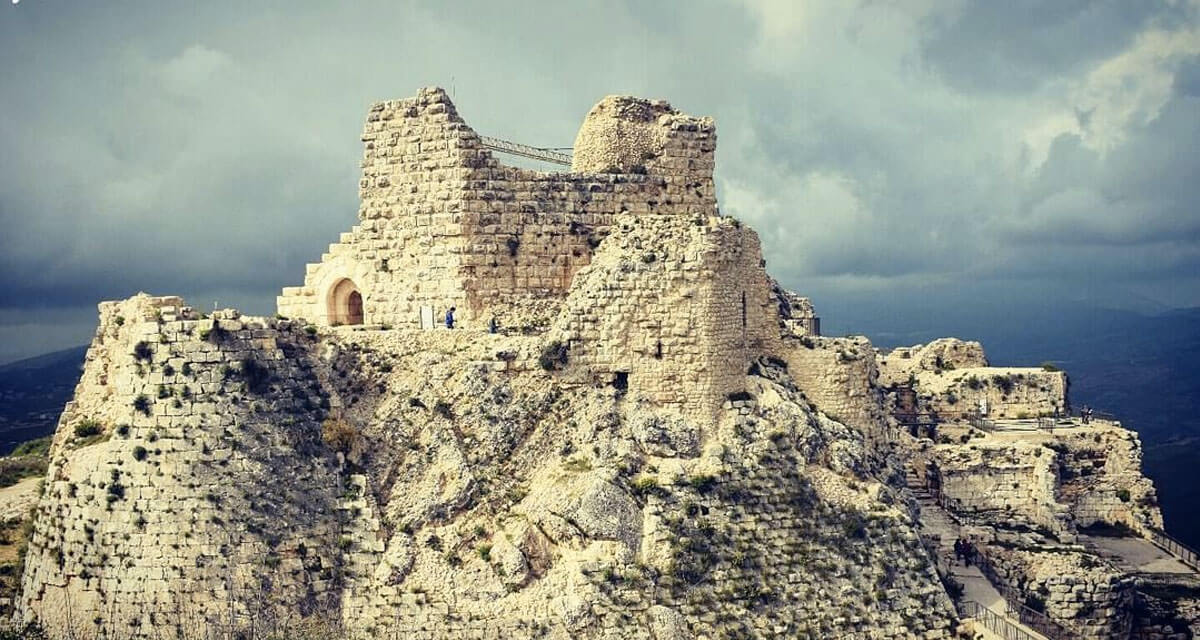
Preventing Rocket Fire
The Israeli objectives for occupying the castle, according to military assessments, include preventing rocket fire toward settlements, noting that the castle was previously a center of Palestinian armed activity before the 1982 invasion.
On the other hand, retaking the castle in the event it is occupied would be extremely difficult in the absence of air support for any attacking force. Moreover, occupying it effectively means controlling the gateway to the south, as confirmed by previous experience.
Therefore, any ground advance, whether from the direction of Deir Seryan or from the Khiam–Khardali axis, is unlikely to succeed as long as the highest point in the Nabatieh region remains outside military control.