Drone strike triggers fire near UAE’s Barakah nuclear plant amid regional tensions

GCC 17-05-2026 | 21:29

Drone strike triggers fire near UAE’s Barakah nuclear plant amid regional tensions

Drone strike on energy infrastructure in the UAE raises regional security concerns after fire breaks out near the Barakah Nuclear Power Plant, with authorities confirming no radiation risk or casualties.

Drone strike triggers fire near UAE’s Barakah nuclear plant amid regional tensions
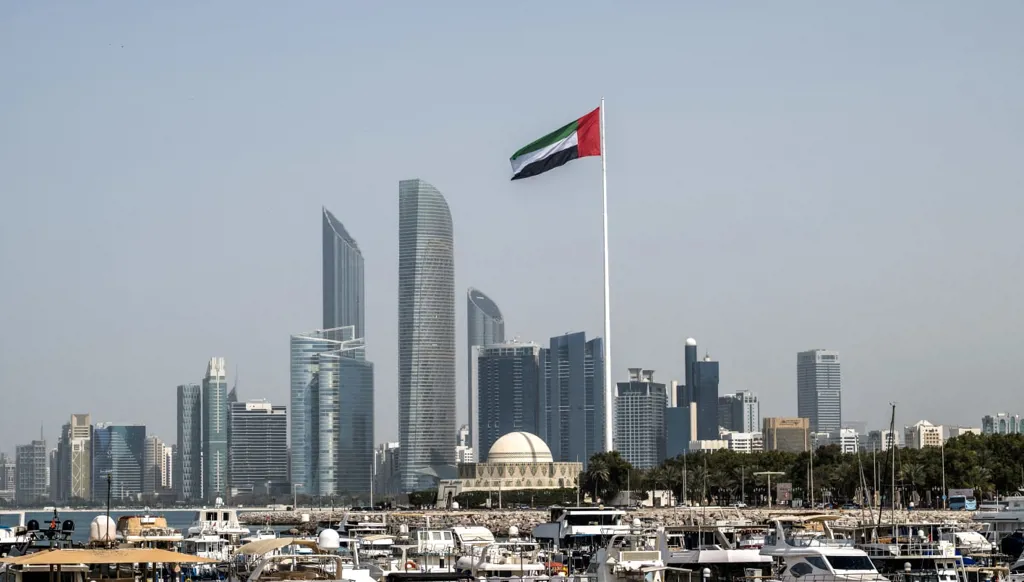
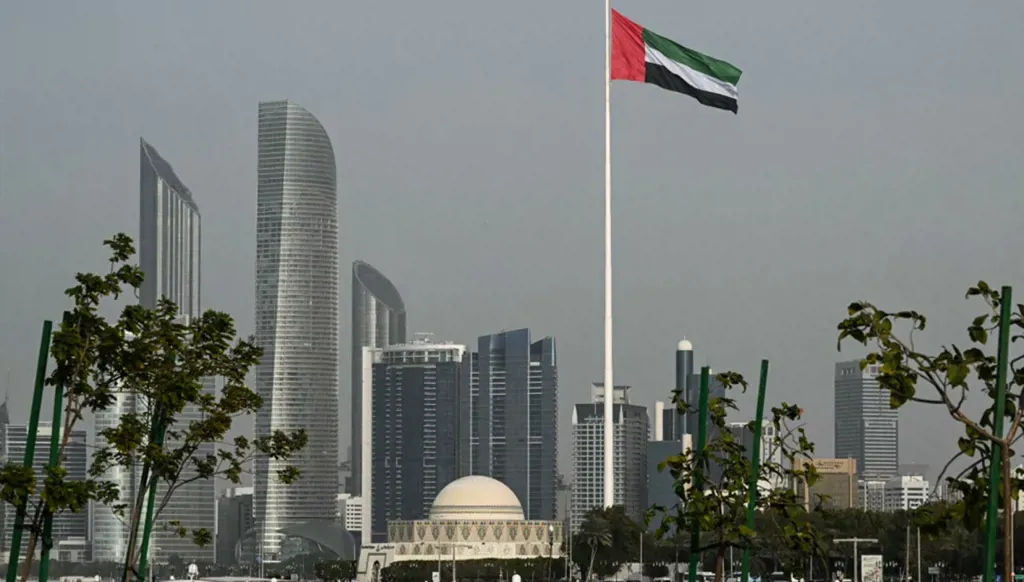
Scene from the UAE (archive).
Smaller Bigger

A fire broke out following a drone strike targeting a nuclear power plant in the UAE capital, Abu Dhabi, authorities reported today, Sunday, noting that there were no injuries and no impact on radiation levels.


The UAE Ministry of Defense later stated that the drone targeting the plant was one of three that "entered the country from the western border" and struck "an electrical generator outside the inner perimeter of the Barakah Nuclear Power Plant in the Al Dhafra region," causing a fire.


It confirmed that "investigations are ongoing to determine the origin of the attacks, and updates will be disclosed once the investigations are concluded."


The plant was built by a South Korean consortium led by energy supplier KEPCO and began operations in 2020. It is located 200 kilometers west of the UAE capital, Abu Dhabi, near the borders of Saudi Arabia and Qatar.


According to the state-owned Emirates Nuclear Energy Corporation, which operates the plant, it supplied up to a quarter of the UAE’s electricity needs in 2024.


Abu Dhabi Media Office announced in a post on the "X" platform that "the competent authorities in the Emirate of Abu Dhabi responded to a fire that broke out in an electrical generator outside the inner perimeter of the Barakah Nuclear Power Plant in the Al Dhafra region, caused by a drone strike, with no injuries recorded and no impact on radiation safety levels."


It added: "All precautionary measures have been taken, and updates will be provided as they become available."


It continued: "The Federal Authority for Nuclear Regulation confirmed that the fire did not affect the safety of the power plant or the operational readiness of its core systems, and that all units are functioning normally."


Abu Dhabi. (AFP)
Abu Dhabi. (AFP)


"No Direct Attack"


An official from Korea Electric Power Corporation, the operator of the Barakah Nuclear Power Plant, said there were no casualties and that the plant sustained no damage.


South Korea’s Yonhap News Agency quoted the official as saying: "It does not appear that the nuclear station we manage and operate was directly targeted. It appears the fire broke out at other energy facilities on the outskirts of the plant."


He added: "Operations at one of the reactors were temporarily halted as a precautionary measure to ensure safe operation."


Rafael Grossi, Director-General of the International Atomic Energy Agency, expressed "great concern" following the strike targeting the plant.


The head of the UN agency responsible for nuclear safety added on the "X" platform that "any military activity that threatens nuclear safety is unacceptable," noting that the UAE had informed him that "radiation levels at the Barakah Nuclear Power Plant remain normal, and no injuries have been reported."


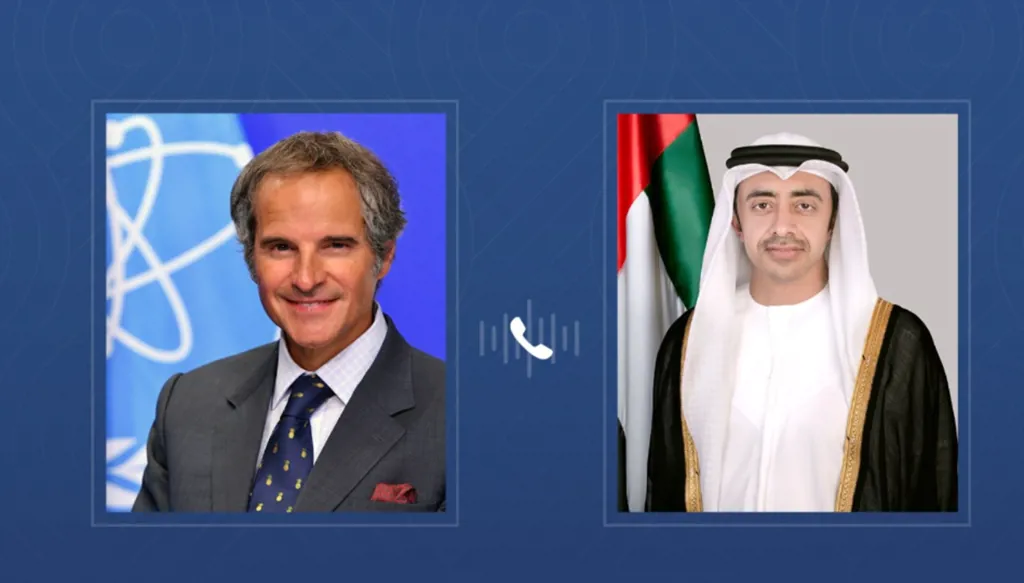
Later, Abdullah bin Zayed Al Nahyan held a phone call with Rafael Grossi, during which he strongly condemned the "treacherous terrorist attack" that caused a fire in an electrical generator outside the inner perimeter of the Barakah Nuclear Power Plant in the Al Dhafra region following a drone strike, with no injuries reported and no impact on radiation safety levels.


He asserted that "targeting civilian facilities and vital infrastructure is a blatant violation of international law," emphasizing "the UAE’s full right to respond to these terrorist attacks and take all necessary measures to protect its security and ensure the safety of its territory and citizens, in accordance with international law."


For his part, diplomatic adviser to the UAE president Anwar Gargash said in a post on his "X" account that "the terrorist targeting of the Barakah clean nuclear power plant, whether carried out by the principal actor or through one of its proxies, represents a dangerous escalation and a dark development that violates all international laws and norms."


Abdullah bin Zayed and Rafael Grossi (WAM).

Arab condemnations…


Qatari Ministry of Foreign Affairs issued a statement expressing Qatar’s strong condemnation of the attack on the United Arab Emirates by three drones, one of which targeted the Barakah Nuclear Power Plant in the Al Dhafra region, calling it a flagrant violation of international law principles and a serious threat to regional security and stability.


Jordan also condemned the targeting of the vicinity of the Barakah Nuclear Power Plant by a drone, which led to a fire outside the plant’s inner perimeter, stressing that the attack constitutes a blatant violation of UAE sovereignty and a threat to its security and stability, as well as a clear breach of international law and the UN Charter.


Egypt also condemned and denounced the attack on the UAE by a drone, stating that “this blatant attack represents a serious escalation and a clear violation of the sovereignty of the sisterly United Arab Emirates and of international law,” reaffirming its full solidarity with the UAE.


The Secretary-General of the Gulf Cooperation Council also condemned the targeting of the Barakah Nuclear Power Plant in the UAE, stating that “we stand with the UAE in the measures it takes to safeguard its security.”


Attacks on Energy Infrastructure


The UAE is the second country in the region to establish a nuclear power plant, after Iran, and the first in the Arab world.


The UAE recently accused Iran of being behind attacks on its energy infrastructure.


Tehran launched strikes across the Gulf following an attack by the United States and Israel on February 28, which resulted in the death of former Supreme Leader of the Islamic Republic Ali Khamenei and key leaders, triggering an outbreak of war in the Middle East.