

Temporary burials in southern Lebanon amid ongoing Israeli strikes and displacement
As access to frontline villages becomes impossible, communities in southern Lebanon establish temporary cemeteries where victims are buried in safekeeping until conditions allow their return to their hometowns.


 Messenger
 Whatsapp
 Threads
 Email
Email
 Print
Print
 X
X
 Facebook
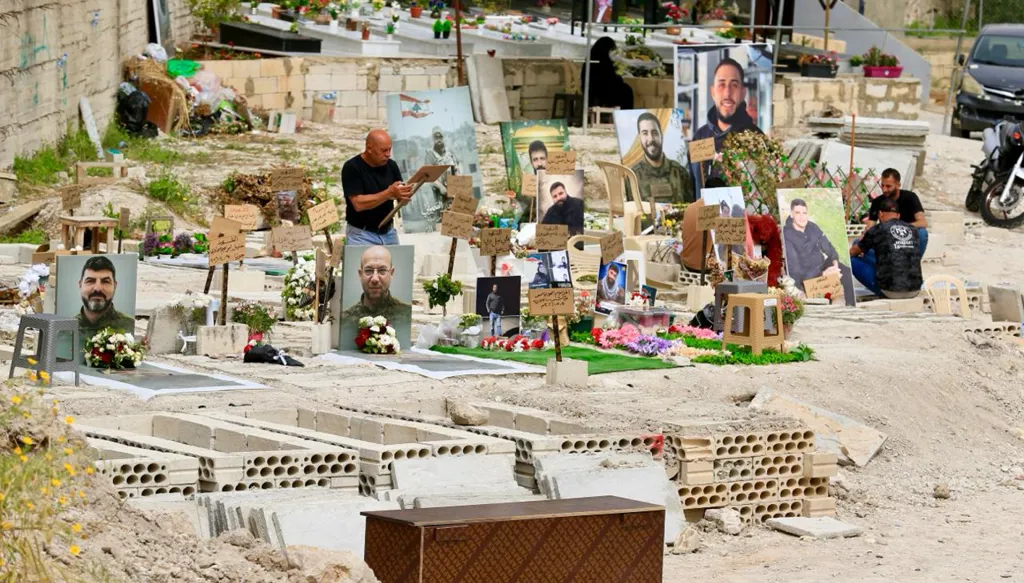


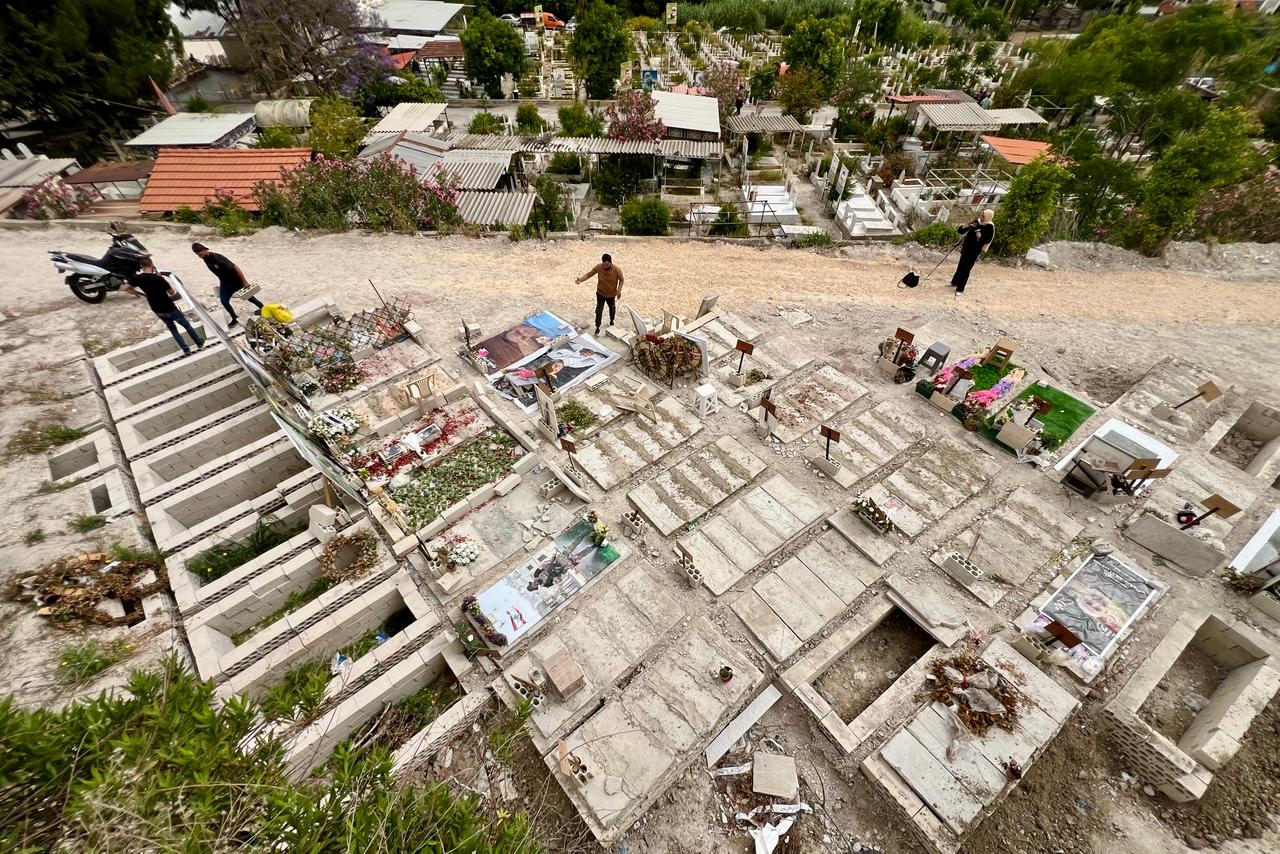
Burial of the deceased as a “trust” in Islamic jurisprudence
The supervisor of burial at the cemetery, Sheikh Youssef Khalil, told “Annahar”: “In Islamic jurisprudence, there is no specific term called burying a deceased person as a deposit. However, in the broader meaning of jurisprudence, a person may rent land or obtain permission from its owner to bury a deceased person there without a fixed time limit. This is permissible in Islamic law and is understood in cases of necessity and need. Under this concept, the deceased is placed in the land as a trust or in safekeeping, as if permission had been granted by the landowner either for a specific period or without time limitation. When the necessity or crisis ends, people return to properly bury their dead or transfer them from one place to another.”
The head of the Endowment Committee in Haret Saida, Fadl Hassan Saleh, said that “since the beginning of the Israeli aggression on southern Lebanon, we worked on establishing a new cemetery adjacent to the Haret Saida cemetery. The number of those buried there so far has reached 98 victims of all genders and ages, from all areas of southern Lebanon.”
He added: “Male and female volunteers from the Endowment Committee carry out the washing of the dead, shrouding them, and burying them as a trust after performing prayers for their souls, pending the eventual transfer of the bodies and their burial in the cemeteries of their hometowns. During the ceasefire, around 40 bodies were transferred to their villages in the Iqlim al-Tuffah region.”
He confirmed “the readiness of the Endowment Committee in Haret Saida and its preparedness to receive the bodies of the martyrs when needed and bury them in the Haret Saida cemetery. They represent our honor, dignity, and pride.”