

Iran moves to regulate Strait of Hormuz navigation as tensions escalate
Tehran asserts greater control over the strategic waterway amid conflict-related disruptions, new maritime rules, and growing geopolitical friction with Washington.


 Messenger
 Whatsapp
 Threads
 Email
Email
 Print
Print
 X
X
 Facebook
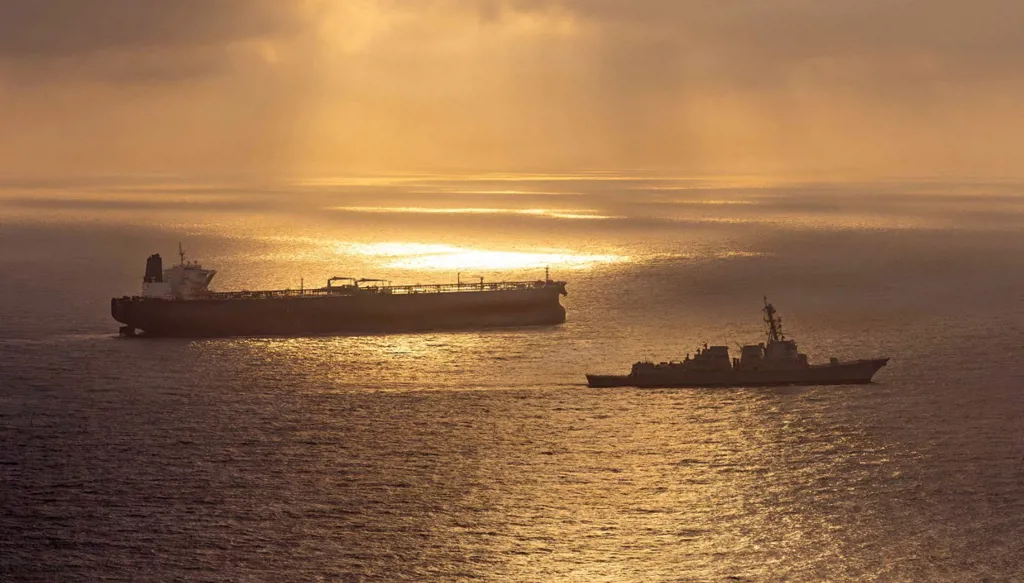


Iran has established a maritime navigation authority to manage the Strait of Hormuz, responsible for approving ship passage and collecting transit fees, according to a specialized maritime transport bulletin, at a time when efforts continue to reach an agreement to end the war between Washington and Tehran.
Lloyd’s List, which provides news and information on shipping and maritime trade, reported that the “Arabian Gulf Strait Authority has introduced a new framework requiring ships to obtain a transit permit and pay fees before sailing,” based on a form it sent to shipping companies.
It added that this form requires vessels to submit detailed records on ownership, insurance, crew information, and the intended transit route they plan to follow.
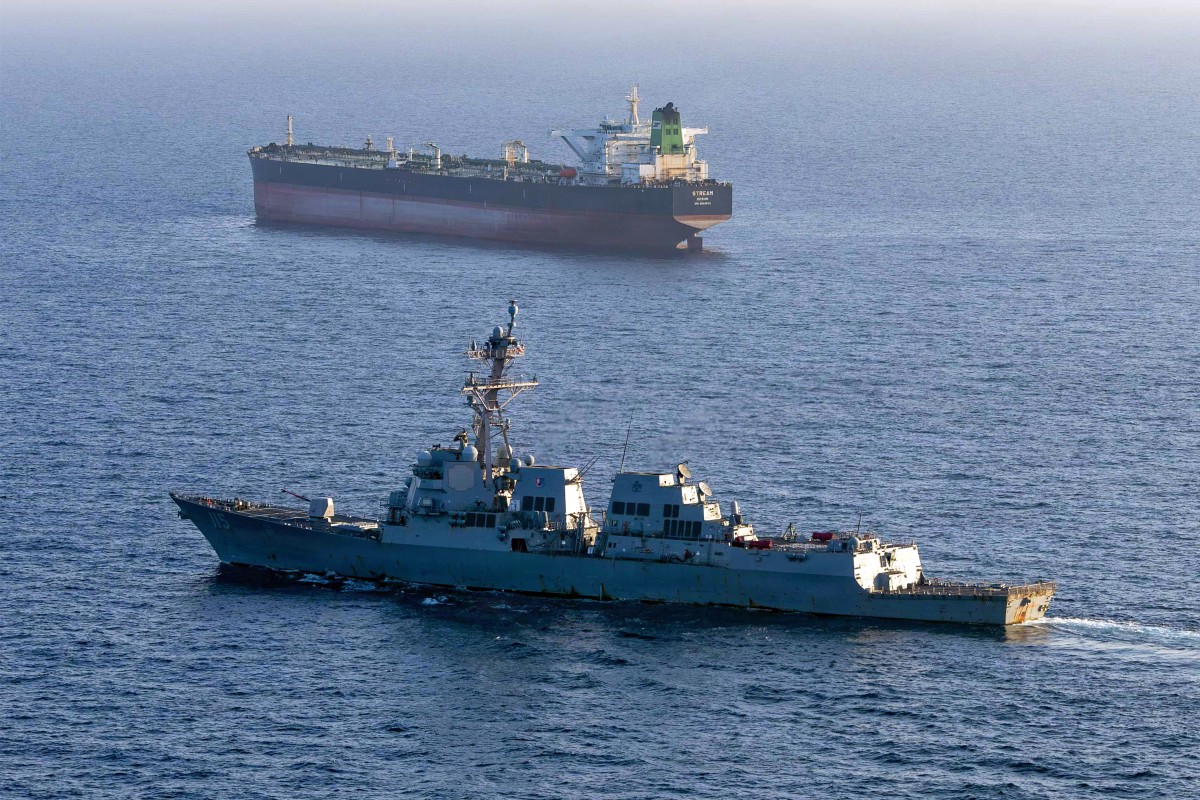
The Iranian English-language channel “Press TV” reported on Tuesday that Tehran has established a “system to exercise sovereignty over the Strait of Hormuz,” and that ships wishing to pass through it have received “rules” governing this via email.
Iran had effectively closed the Strait of Hormuz since the start of the US-Israeli attack on it on February 28, leading to a disruption in the global energy market. After the ceasefire came into effect on April 8, Washington announced a naval blockade on ports of the Islamic Republic, linking it to Iran’s continued restriction of navigation in the vital strait for global oil and liquefied natural gas supplies.
US President Donald Trump announced earlier this week the start of a military operation to escort ships through the strait, before announcing a day later that it was suspended, speaking of progress in talks with Iran aimed at reaching a settlement to end the war.
Iranian officials have repeatedly stated over the past weeks that they are seeking to change navigation rules in the strait by placing it under Tehran’s control and imposing commercial fees, with revenues to be shared with the Sultanate of Oman, located on the opposite side of the strait.
Deputy Speaker of the Iranian Parliament Hamid Reza Haji Babai announced in April that Tehran had received its first revenues from transit fees imposed in Hormuz, without providing further details.
Before the announcement of transit fee revenues, the parliament had been studying the imposition of such fees on maritime navigation through the Strait of Hormuz, while officials warned that shipping traffic through it “will not return to its pre-war conditions.”