U.S. troop withdrawal from Germany sparks debate over Europe’s security future

Opinion 07-05-2026 | 12:14

U.S. troop withdrawal from Germany sparks debate over Europe’s security future

A shift in American military posture raises urgent questions about NATO unity, European defense independence, and the future of transatlantic relations.

U.S. troop withdrawal from Germany sparks debate over Europe’s security future
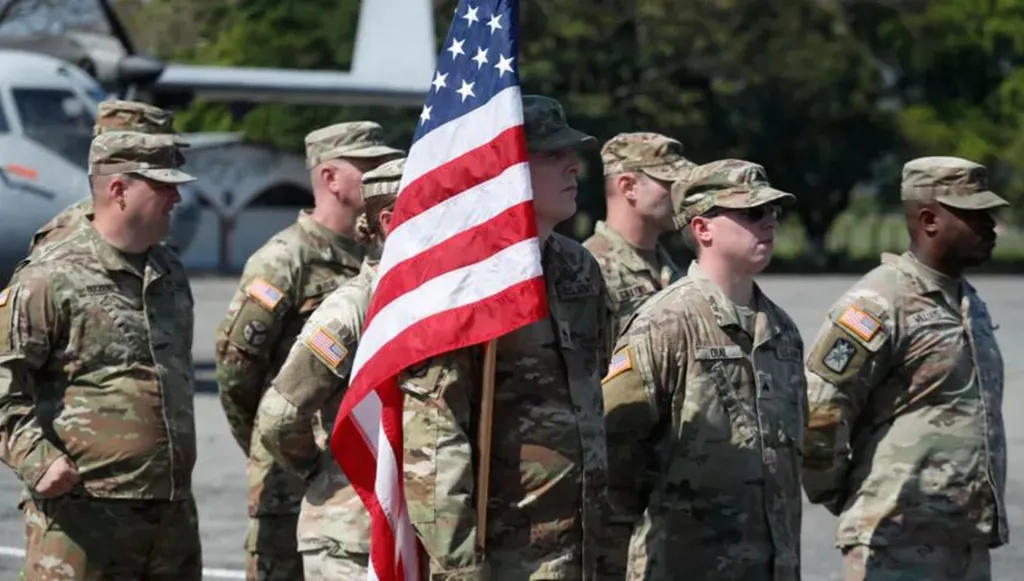
The Pentagon announced the withdrawal of about five thousand American soldiers from Germany (AFP)
Smaller Bigger


The decision by the United States at the beginning of May to withdraw about 5,000 soldiers from Germany has raised a wave of questions within Europe, not only about its military implications but also about its political significance at a time of increasing tension between the two sides of the Atlantic. Initiated by U.S. President Donald Trump, the move appeared to many in Europe to be less a purely military repositioning and more a political message.


NATO quickly sought clarifications from Washington, clearly indicating that the decision had not been sufficiently coordinated with allies. This ambiguity reinforced the impression that the United States is making major strategic decisions unilaterally, raising growing concern among European capitals that have relied on the American security umbrella for decades.


Berlin sought to downplay the significance of the move, considering it “expected” within the context of ongoing shifts in U.S. policy. However, this public stance conceals deeper concerns, especially as Germany hosts one of the largest U.S. military bases in Europe, a cornerstone of the continent’s deterrence system, particularly against Russia.


A growing rift between Washington and Berlin


The decision also comes amid political disagreements between Washington and Berlin, particularly over the war with Iran and how to handle it. The verbal exchange between the U.S. president and the German chancellor reflects the extent of these divergent views, suggesting a broader transformation in the nature of the relationship between the traditional allies.


Across Europe, concerns are not confined to Germany alone. Eastern European countries such as Poland and the Baltic states are even more worried about any reduction in the U.S. military presence, fearing it could weaken the deterrence balance against Moscow. Conversely, other countries see the decision as an opportunity to renew calls for strengthening Europe’s “strategic autonomy.”


The European Union has seen increasing calls to raise defense spending and build more independent military capabilities. European officials have noted that the U.S. move is a clear reminder that the continent’s security cannot rely entirely on Washington.


Shifting American priorities


Besides the military aspect, the decision also raises economic concerns, particularly with reports of delayed arms deliveries to European countries in favor of meeting needs related to the war in the Middle East.


This shift in American priorities reinforces the perception among Europeans that their interests are no longer a priority for the United States as they once were.


The decision also drew criticism within the United States, as several members of Congress warned that reducing troop levels in Europe could send the wrong signals to Russia and undermine deterrence efforts. They also criticized the lack of consultation with allies, arguing that such decisions should be made within a broader institutional framework.


The withdrawal of 5,000 troops from Germany cannot be seen merely as a technical step, but rather as an indication of deeper shifts in transatlantic relations. As Europe tries to adapt to this new reality, the most significant question remains: does this decision mark the beginning of a phase of “European defense independence”?


Disclaimer: The opinions expressed by the writers are their own and do not necessarily represent the views of Annahar.