Saudi Aramco cuts crude premiums for Asia and Europe amid market shift after Hormuz disruption

Business Tech 06-05-2026 | 12:59

Saudi Aramco cuts crude premiums for Asia and Europe amid market shift after Hormuz disruption

Pricing adjustment reflects easing oil tensions, softer Asian demand, and gradual stabilization in global supply chains following the Strait of Hormuz crisis.

Saudi Aramco cuts crude premiums for Asia and Europe amid market shift after Hormuz disruption
Saudi Aramco (AFP)
Smaller Bigger


Saudi Aramco announced the official selling prices of its crude for June 2026 deliveries, including broad reductions in premium prices for crude destined for Asia and Europe, while keeping prices stable for North America.


According to the pricing document reviewed by Annahar, the company reduced premiums for all its crude sold to Asia by $4 per barrel compared to May deliveries.


The premium for Arab Light crude was set at $15.50 above the Oman/Dubai average, down from $19.50 the previous month, which was the highest level recorded since the U.S.-Israeli attacks on Iran in late February.


However, the $4 reduction was lower than market expectations, as surveys by Reuters and Bloomberg had pointed to anticipated cuts ranging from $5 to $12 per barrel, suggesting that Aramco preferred to retain part of the premium rather than implement a full reduction, which could be interpreted as an acknowledgment that supply disruptions have not yet ended.


The Asian reductions included Very Light Arab Crude, whose premium fell to $16 above the Oman/Dubai average, Medium Arab Crude at $13.75, and Heavy Arab Crude at $12.40, while the premium for Superior Arab Crude was set at $17.15 above the same index.


In Europe, the premium for Arab Light crude to Northwest Europe decreased by $2 per barrel to $25.85 above the Brent benchmark, down from $27.85 the previous month. Similarly, the premium for Arab Light crude to the Mediterranean region also declined by the same amount, to $25.65 above Brent.


Meanwhile, Aramco kept selling prices to North America unchanged; the premium for Arab Light crude remained at $14.60 above the Argus benchmark, Very Light Arab Crude at $15.95, Medium Arab Crude at $13.40, and Heavy Arab Crude at $12.65 above the same index.


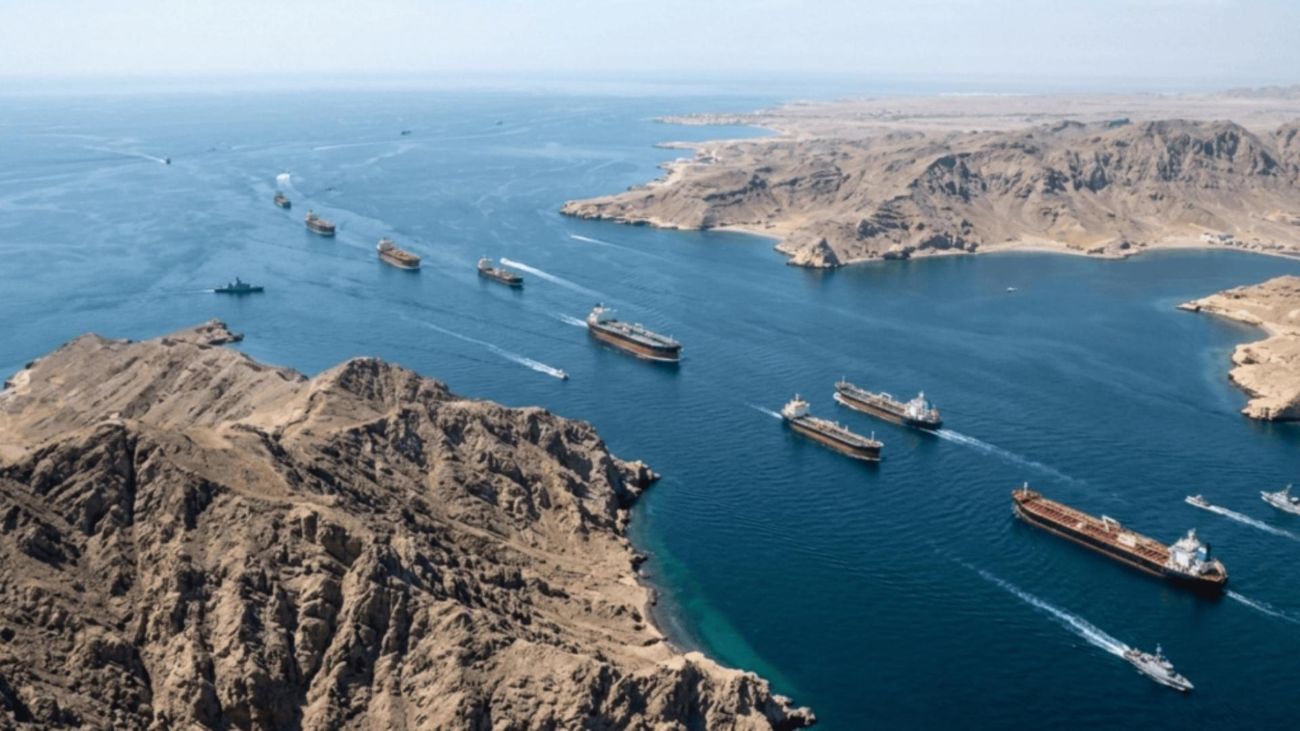
Strait of Hormuz (AFP)


The peak of Hormuz and market correction


This reduction cannot be viewed in isolation from the shifts caused by the Hormuz Strait crisis. Since the conflict erupted, the movement of tankers through the strait, which carries about 20% of global oil trade, has sharply decreased, pushing the Dubai cash premium over swaps to more than $60 in March, an unprecedented historical level.


However, the market began to calm later as this premium gradually declined with the arrival of alternative shipments from West Africa and the U.S., and Aramco redirected some of its exports through the Yanbu port on the Red Sea, away from the conflict zone.


Chinese refineries, the largest importers of Saudi oil, reduced their purchases in May to record-low levels of 20 million barrels, or approximately 645,000 barrels per day, the lowest level recorded, which is less than half the volumes seen in January and February, which reached about 45 million barrels per month.


This decline was driven by pressure on refining margins and high purchase prices during the peak of the crisis. This explains part of the competitive pressure that led Aramco to ease premiums to boost demand for its crude among Asian refineries in June.