

US-led coordination framework poised to shape post-UNIFIL security arrangements in Lebanon
As UNIFIL’s mandate nears its end, Washington’s coordination mechanism is emerging as the central platform for managing international involvement, Lebanese Armed Forces capacity-building, and disarmament efforts in southern Lebanon.


 Messenger
 Whatsapp
 Threads
 Email
Email
 Print
Print
 X
X
 Facebook


Non-Lebanese active actors are aware that they must focus on the fact that each of them, except for Hezbollah, shares a central objective, which is to empower the Lebanese Armed Forces to establish state sovereignty and a monopoly over weapons.
Most of them also agree on the necessity of disarming Hezbollah, but they fundamentally differ on the feasibility of this task and on how it should be implemented.
In this context, the Lebanese government has issued bold statements, but implementation has remained limited. From now on, officials must find a way to coordinate, or at least avoid contradictions, between the following tracks.
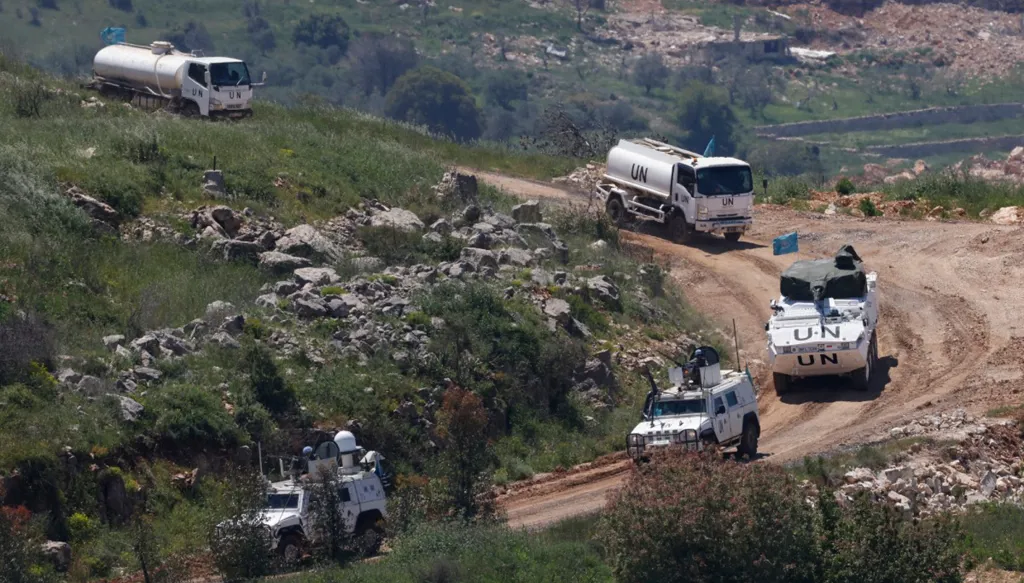
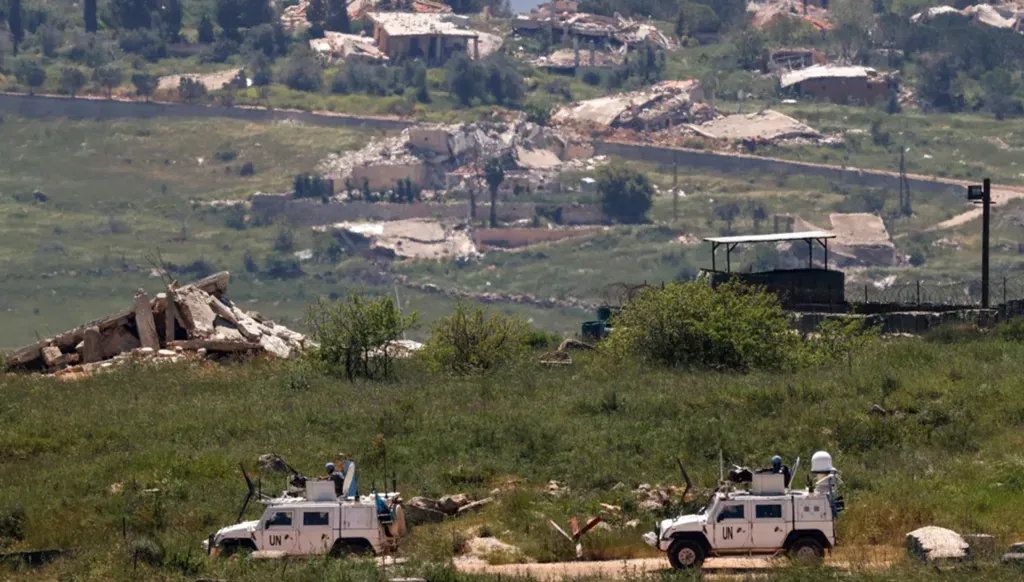
The United Nations: This global body is expected to seek to preserve its local political influence through the office of the Special Coordinator for Lebanon UNSCOL. It will also seek to manage its operations there through the Observer Group Lebanon OGL, which currently operates under the supervision of UNIFIL.
However, any mandate for these observers or other United Nations units to operate in Lebanon after the end of UNIFIL’s mission would require a new authorization from the Security Council, which depends on approval from the United States.
Europe and the North Atlantic Treaty Organization: The European Union and some of its member states are discussing sending their own special missions after the end of UNIFIL’s mandate. Any such mission would require an official invitation from the Lebanese government. Coordination with Israel and the United States would also be essential. It is unlikely that proposals will be made to replace UNIFIL with a North Atlantic Treaty Organization force, as the alliance’s current focus on the Russian threat to Europe is already stretching its capabilities.
The United States led mechanism: This is the mechanism overseeing the ceasefire implementation process established in 2024 with French support. It includes Lebanon, Israel, and UNIFIL.
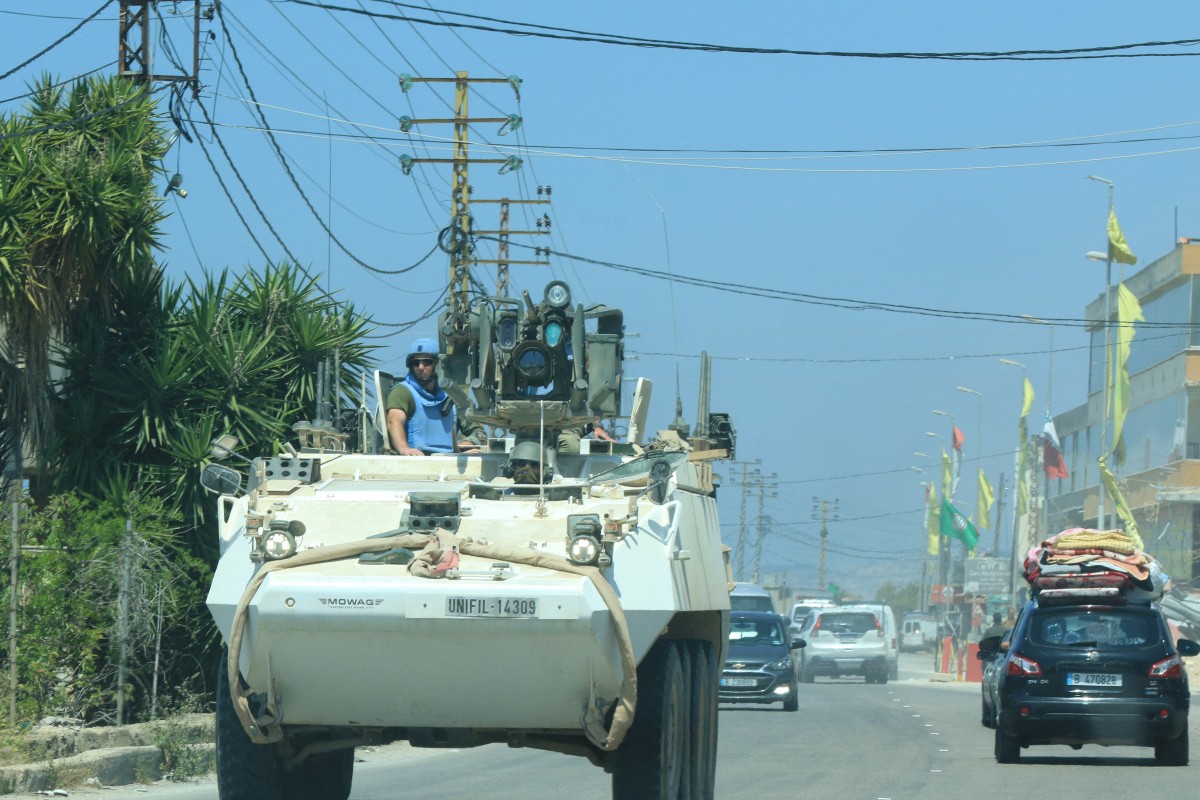
In practical terms, this mechanism has effectively sidelined UNIFIL by creating an informal platform for communication, coordination, and information sharing between the Israeli army and the Lebanese Armed Forces, with the aim of avoiding operational clashes and strengthening disarmament efforts in southern Lebanon.
However, the recent wave of attacks by Hezbollah and intelligence gathered by the Israeli army have revealed gaps in disarmament efforts. This is partly due to the limited capabilities of the Lebanese army and its reluctance to implement government orders requiring the disarmament of Hezbollah, as well as weaknesses in the monitoring and documentation mechanisms used in this framework.
Are there recommendations in the above areas? The available options after the end of the UNIFIL mission should be assessed based on their potential contributions to Israeli Lebanese security and to the expected peace, says a serious American researcher. The key to success is establishing genuine Lebanese sovereignty over the entire territory of Lebanon.
The main obstacle is the weapons of Hezbollah, a problem further complicated by the intervention of the group’s sponsors in Iran, who have repeatedly ensured the use of these weapons against Israel.
Ultimately, the responsibility for disarmament lies with Beirut. Although the government and its armed forces suffer from chronic limitations in capacity, resources, and political will, foreign assistance can help address these constraints by training relevant Lebanese Armed Forces units to handle disarmament tasks, counterterrorism, border security, and arms trafficking.
In parallel, political and economic pressure tools should be used to bring about behavioral change. However, the operational impact of this foreign support should remain limited, not only to empower the Lebanese Armed Forces, but also to deny Hezbollah cover and influence while maximizing freedom of action against it.
Because the US led mechanism already coordinates and prevents operational clashes between Israel and Lebanon, it remains well positioned to integrate any additional parties that may seek involvement in Lebanon after the end of UNIFIL’s mission, including the United Nations and European or regional actors.
Donor states and organizations should be invited to participate in training the Lebanese Armed Forces and to assist in specific tasks related to engineering, disarmament, logistics, humanitarian assistance, air operations, and monitoring missions if needed.
In the short term, attention could be directed toward a useful pilot project, such as training and equipping an elite unit within the Lebanese Armed Forces dedicated to disarmament related missions.
The European Union and the United Nations may insist on maintaining separate military missions in Lebanon despite the concerns outlined above.
In that case, they should be required to obtain Beirut’s approval and coordinate with Washington and Jerusalem to ensure synergy and avoid overlap. The United States could also use its veto power to shape future United Nations activity in Lebanon, and more sensitive dialogue with stronger actors will be necessary to address their concerns.
In the long term, the US-led mechanism could serve as a model for a future framework. Parties may draw inspiration from the Multinational Force and Observers model in the Sinai Peninsula. The key factors behind the success of that force are clear: centralized leadership, commitment limited to key stakeholders (in that case Egypt, Israel, and the United States), strong backing from those stakeholders, effective coordination and trust between parties, multinational participation in agreed missions, and the absence of politicization and United Nations related bureaucracy. These principles could already be applied in Lebanon even if full implementation conditions remain distant.
Until then, Israel should work to repair its relationship with Europe and strengthen communication on Lebanon with key actors such as Germany, Britain, France, and Italy.
If European forces are to operate in Lebanon, Jerusalem should maintain good dialogue with donor countries on relevant political, military, and intelligence matters. Until UNIFIL leaves Lebanon, the Israeli army should also fundamentally improve its conduct toward United Nations personnel.
Disclaimer: The opinions expressed by the writers are their own and do not necessarily represent the views of Annahar