

Make it in the Emirates 2026: From pearl to progress, a living heritage of craft and industry
From leather crafting and pearl diving to scent-making and maritime traditions, the UAE’s heritage is reimagined as a foundation for its modern industrial future.


 Messenger
 Whatsapp
 Threads
 Email
Email
 Print
Print
 X
X
 Facebook
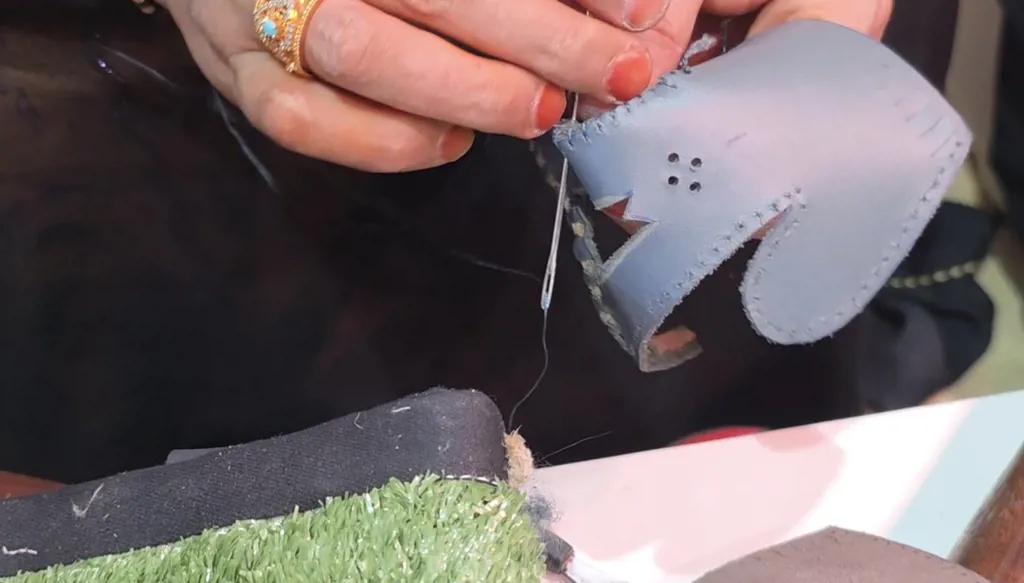


At the “Make it in the Emirates 2026” forum and exhibition, the economy goes beyond services and is firmly rooted in production and technology. This transformation does not break from the past but builds upon it, as today’s industrial strength extends from the hands that once crafted leather, dived into the sea, and shaped beauty out of simplicity, ensuring the UAE remains a story told through the scent of perfume, the resilience of leather, and the luster of pearls.
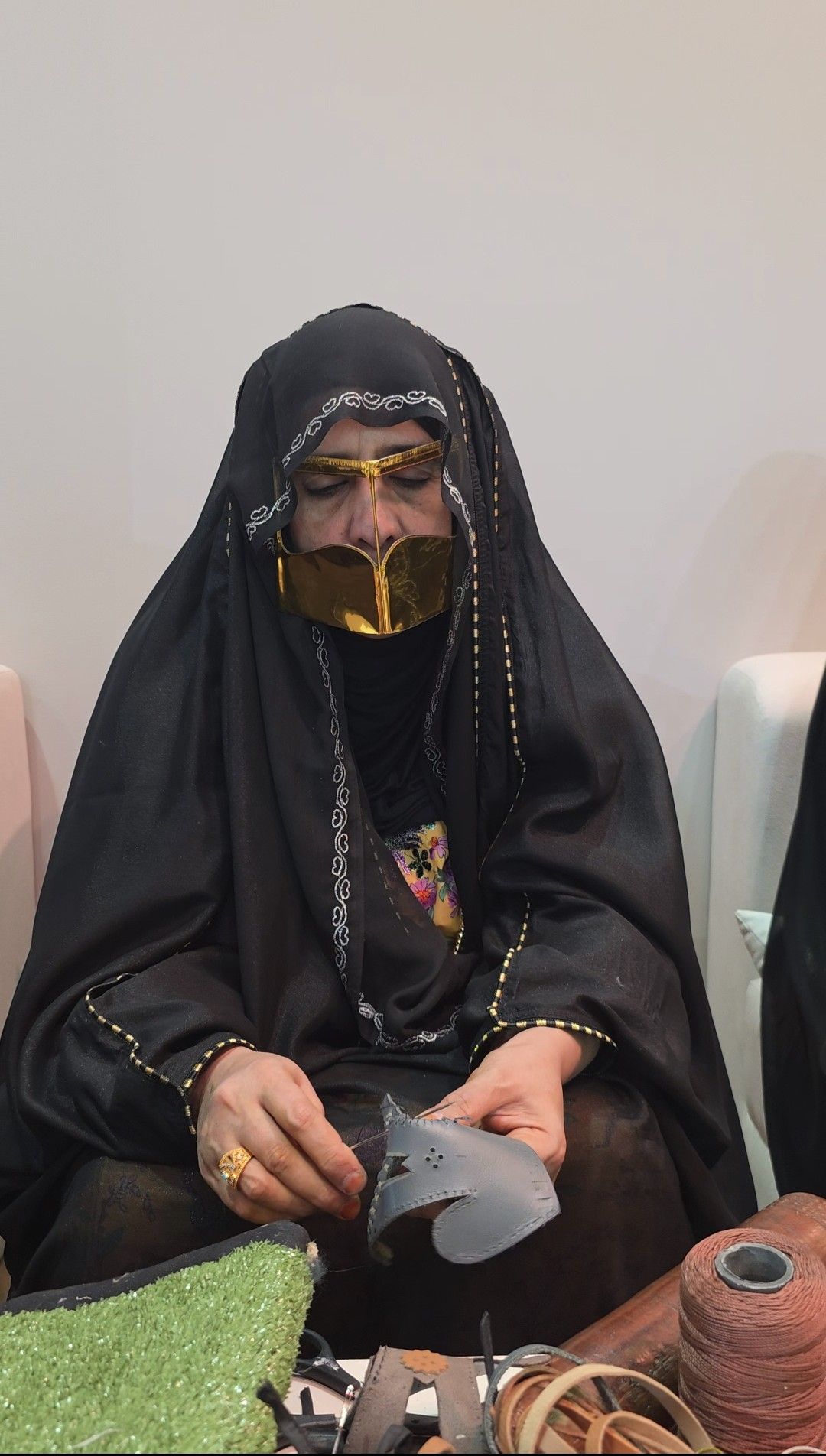
In a time when life was simpler and more closely tied to nature, leather crafting emerged as an art passed down from fathers to sons. It was more than just a profession it was a way of life.
At the fifth edition of “Make it in the Emirates 2026,” in the Leather Crafts pavilion, Emirati women skilled in working with camel, sheep, and cow hides showcased their craft, and in earlier times even gazelle hides.
From these materials, the first Emirati artisans fashioned tools that accompanied the details of daily life: sandals to protect the feet, water skins for storing water, churns for butter, containers for dates, and even buckets lowered into the depths of wells to bring back life, as one of them told Annahar, adding that these products were more than tools they were evidence of human skill and adaptability.
According to her, this craft did not remain limited to daily necessity but became part of trade, as surplus goods were exchanged among people in a scene that reflected a spirit of cooperation and self sufficiency.
Memory of scents: the Scent Library
Close to this living memory, a different experience comes to life, where stories are preserved not only in drawers but in scents. The Scent Library is not a traditional library but a sensory space that carries the fragrance of the past. Saeed Al Nuaimi, the curator of the pavilion, told Annahar that here every perfume has a story and every bottle holds a narrative.
The scent of aged leather blends with the aroma of Emirati mountain roses to create a fragrant identity that carries the spirit of the place to the world.
In this library, cultures from more than thirteen countries come together, yet the Emirati signature remains clear. Among the distinctive collections is “Durra Perfume,” extracted from the scent of dates and preserved inside a box that holds the "durra" or compass.
It is as if the fragrance does not merely tell a story but maps the journey of sailors who carried dates across the seas, leaving behind a trail of scent and memory.
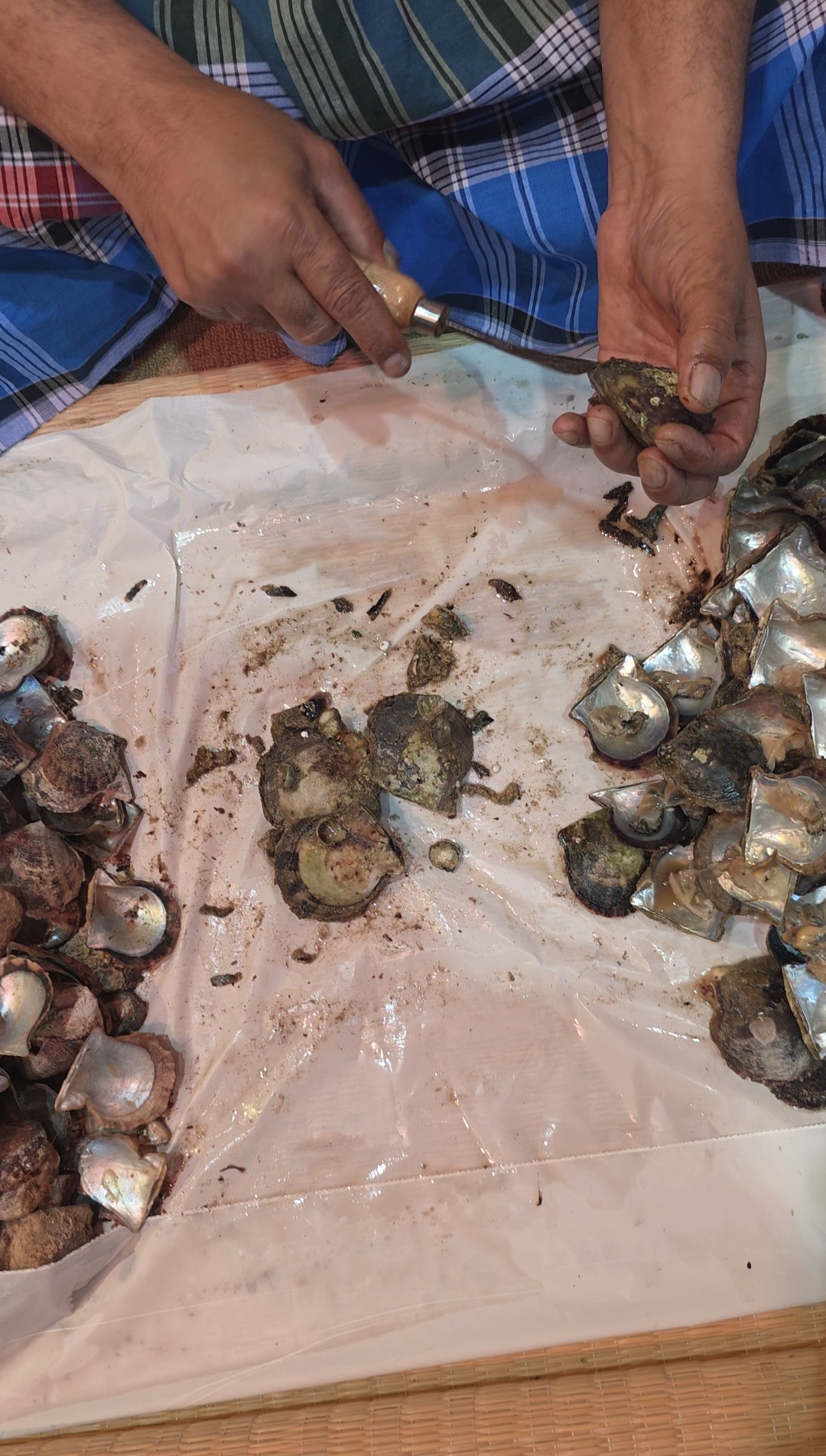
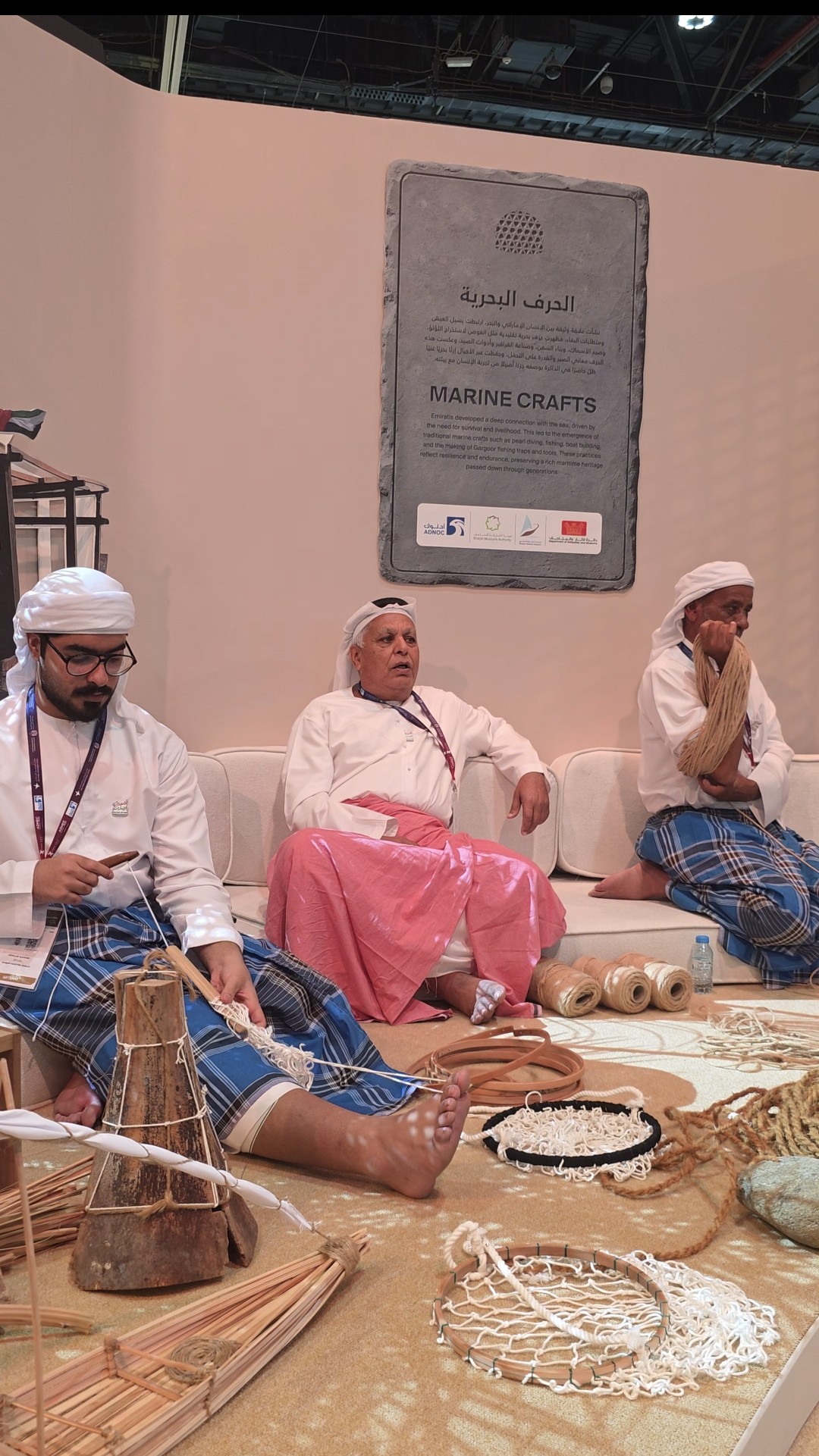
The diver was not alone on this journey; rather, it was an entire integrated system: the merchant who secretly bought the pearls, and the jeweler who gave the pearl its final brilliance.
Between them, maritime chants would rise, easing exhaustion and strengthening determination, in a time when nothing but willpower was a companion.
Despite the harshness of those days, these professions have remained alive in memory, narrated in museums and taught in workshops, reminding generations that what they live today is an extension of yesterday’s struggle. Today, the story takes a new direction...