Lebanon’s fragile land records: What happens if property files are lost in war?



 Messenger
 Whatsapp
 Threads
 Email
Email
 Print
Print
 X
X
 Facebook
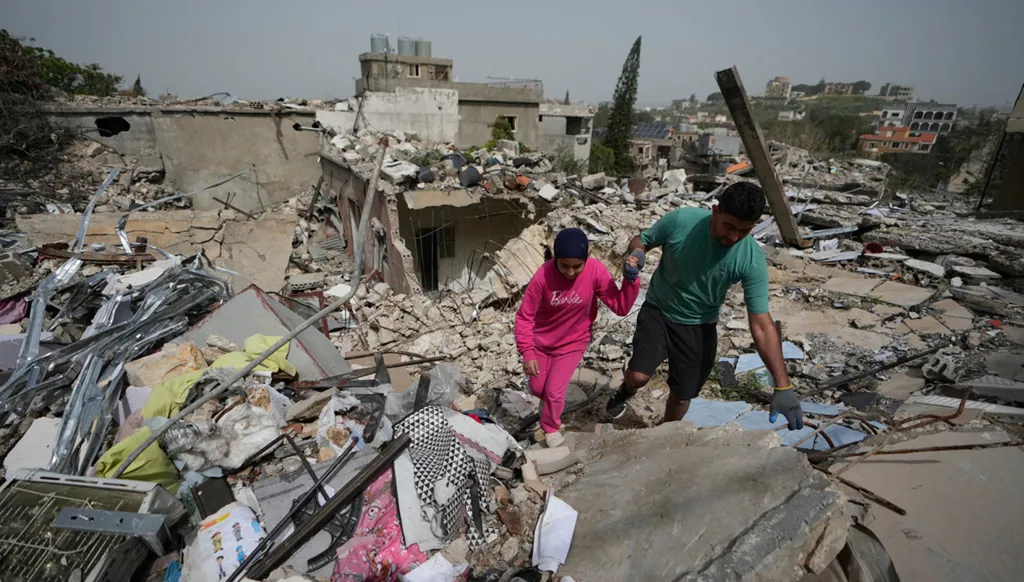


“Umm Amer” stood before her destroyed house in her southern village, holding in her hand an old file that had survived from beneath the rubble. The file contained only yellowed papers proving ownership of the land where her family had lived for generations. She lamented: “We can rebuild the house with God’s help… but if these papers are gone, how will I prove this is my house?”
“Umm Amer” was able to save papers proving her ownership, but there are villages that Israel purposefully erased completely. So how can ownership be proven in light of the possibility of losing documents and files in the real estate offices in border areas?
The loss or damage of real estate records and documents poses an even greater threat, as it affects the very foundation of ownership itself.
Therefore, it is crucial to preserve these records and protect them from loss, and to transfer them to safe locations whenever possible, as they remain the primary reference for proving rights in the post-war period, especially given the extensive destruction that may erase landmarks and complicate the verification of ownership.
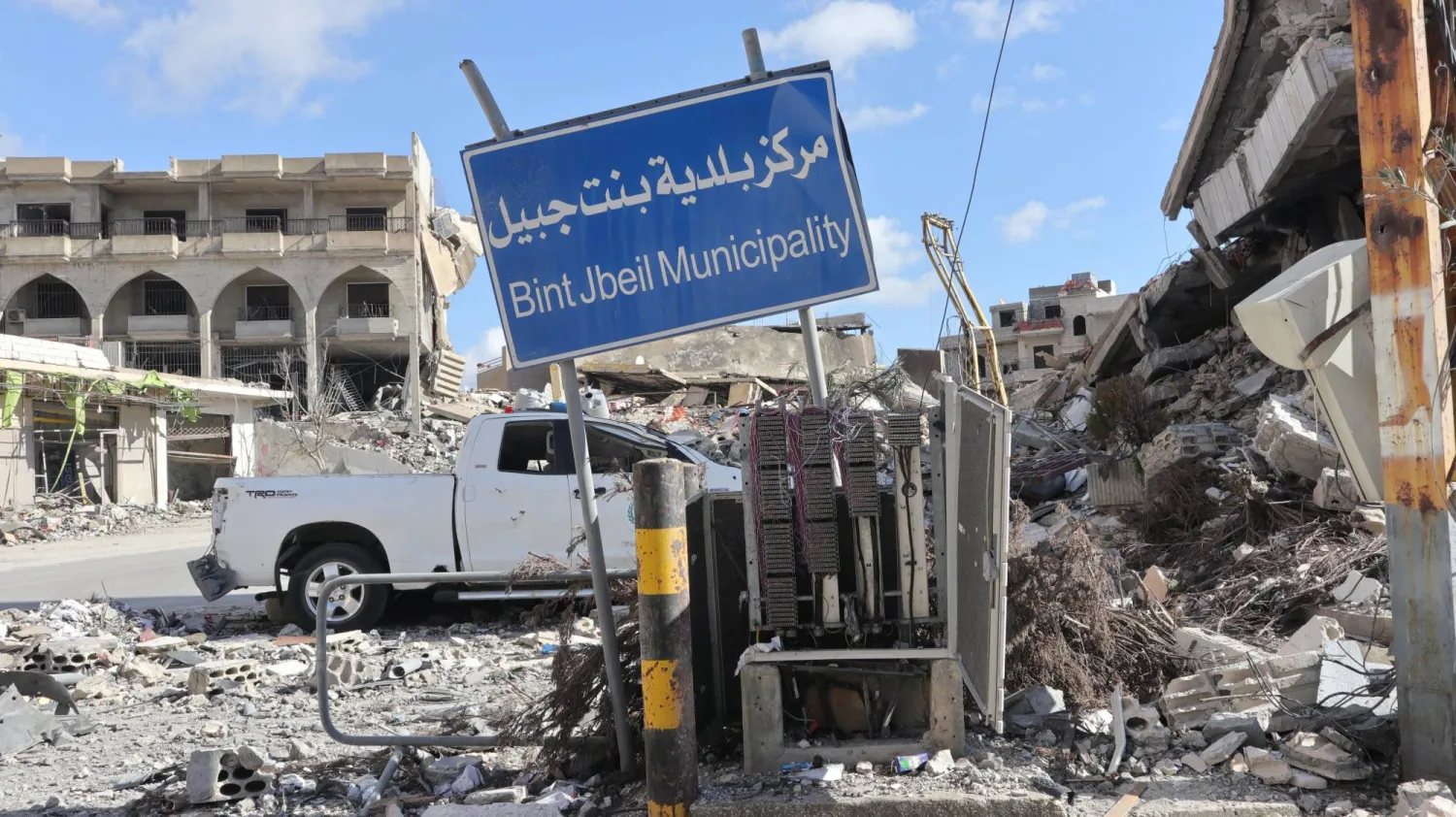
The Minister of Finance, Yassine Jaber, acknowledges that “the ministry relies heavily on the information provided by citizens about the condition of real estate office buildings, as it is difficult to access some areas, particularly Bint Jbeil and Ain Ebel. Repeated attempts to coordinate with security agencies have not borne fruit, despite more than one attempt to reach or resume work. Even a team reached the region’s entrance before being asked to retreat for security reasons.”
While the material damages so far appear limited to shattered glass, Jaber points out that “the situation in Bint Jbeil is difficult,” due to the presence of real estate and civil records there, which increases the risk of any potential targeting.
In contrast, he notes that Nabatiyeh and Marjayoun remain under control and have not recorded significant damages, with a minimum level of work continuing and some employees present, allowing for partial continuity in service provision.
EU funding for IT development
The danger is not only related to potential bombing or destruction, but also to the nature of the real estate system itself. According to Jaber in “Annahar,” “the administration has an automated database that includes all surveyed and numbered properties, allowing inquiries about ownership via names or property numbers, and the issuance of electronic real estate certificates.”
However, this database lacks a crucial element, as “the state does not retain images of the documents on which registration was based,” meaning that the legal basis for ownership is still preserved exclusively in paper records.
The issue becomes more complex when distinguishing between old and newly registered properties. Recent registrations include additional details such as the mother’s name and the method of acquisition, whereas older records lack this information, as they have not been fully integrated into the electronic system.
This creates an information gap that could become serious if the original paper documents are lost.