

How Has the Iran War Affected the Electronic Circuit Supply Chain?


 Messenger
 Whatsapp
 Threads
 Email
Email
 Print
Print
 X
X
 Facebook



Sources in the electronics sector and executives have reported that the ongoing war in the Middle East has caused widespread disruptions in supply chains, leading to a shortage of essential raw materials and a sharp increase in prices of printed circuit boards (PCBs), used in most electronic devices, including smartphones, computers, and AI servers.
This disruption comes at a time when manufacturers are already facing increased pressure due to rising memory chip prices, exacerbating the cost crisis in the sector, and reflecting the broad impact of the war between Iran and several regional countries on global supply chains and energy supplies.
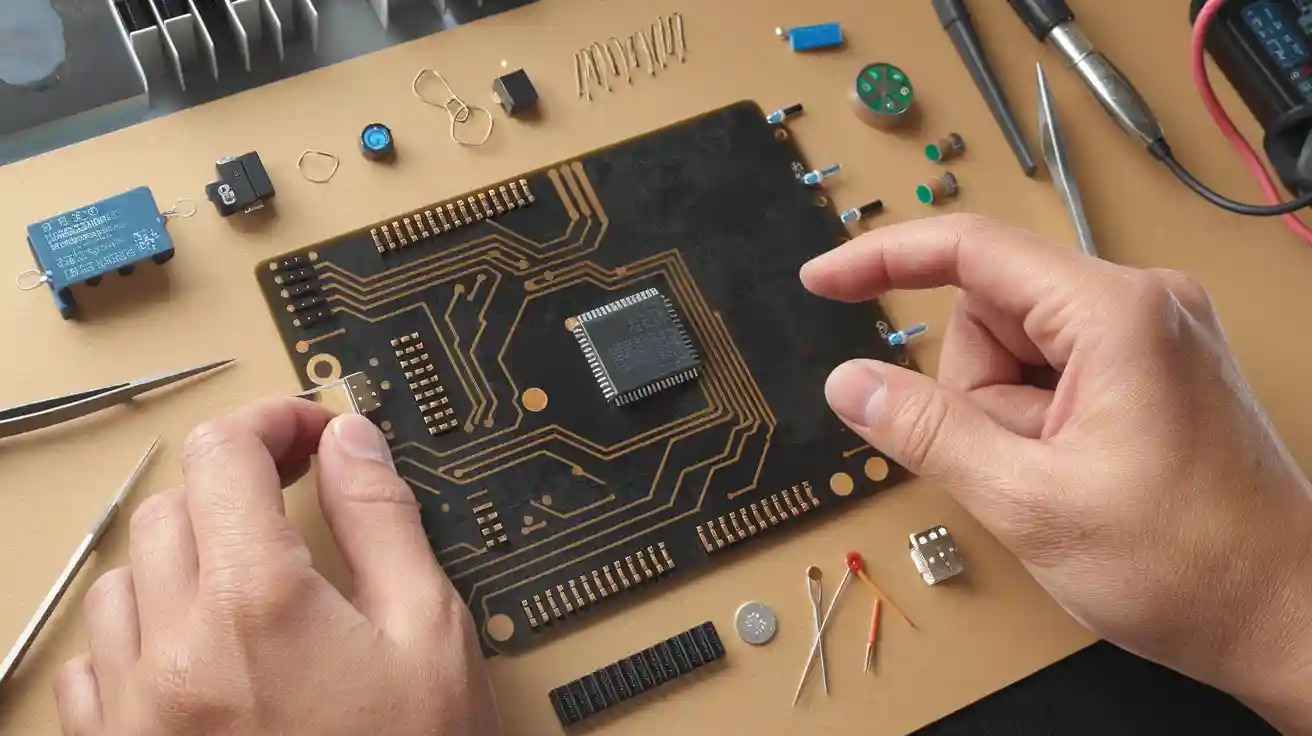
According to Reuters sources, an attack on the Jubail petrochemical complex in Saudi Arabia in early April halted the production of high-purity polyphenylene ether (PPE) resin, a key material in PCB manufacturing.
They noted that the Saudi Basic Industries Corporation (SABIC), which produces approximately 70 percent of this material globally and operates in the Jubail complex on the Gulf coast, has been unable to resume production so far, causing a major decline in global supplies, alongside shipping disruptions within the Gulf due to the war.
Simultaneously, PCB prices have been gradually increasing since late last year due to the growing demand for AI servers, but this increase accelerated significantly in recent months.
Three industry sources reported that demand surged significantly since March, as companies sought to secure raw materials and avoid further cost increases. Analysts at Goldman Sachs noted that prices for these boards rose by as much as 40 percent in April compared to the previous month, noting that cloud service providers are now willing to bear additional increases amid expectations that demand will continue to outstrip supply in the coming years.
An executive at South Korea's Daeduck Electronics, speaking on condition of anonymity, stressed that the priority has shifted from customer communication to securing suppliers, noting that the waiting period for chemicals like epoxy resin has increased to 15 weeks from the previous three weeks.
Other sources explained that price increases are not limited to basic materials but also include shortages of fiberglass and copper foils, with copper prices rising about 30 percent since the beginning of the year, with the pace of increase accelerating during March.