Iraq faces last-minute political deadlock over Prime Minister nominee amid constitutional deadline pressure

Middle East 27-04-2026 | 09:16

Iraq faces last-minute political deadlock over Prime Minister nominee amid constitutional deadline pressure

As the Coordination Framework remains divided over both the selection mechanism and candidate names, Iraq enters a critical final hour of negotiations—while legal experts say missing the deadline may carry no direct constitutional penalty but deepens political uncertainty.
Iraq faces last-minute political deadlock over Prime Minister nominee amid constitutional deadline pressure
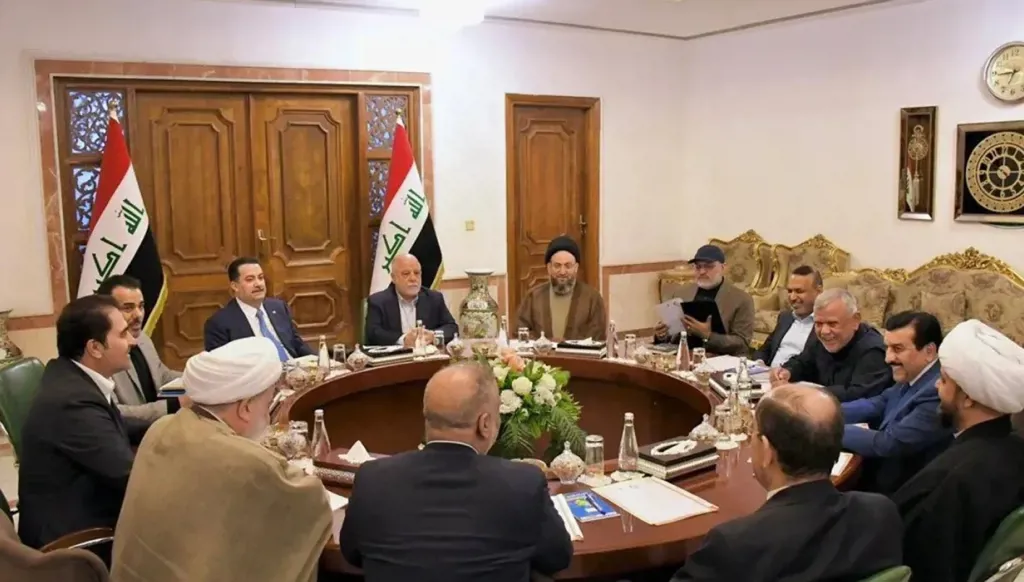
Coordination meeting during a previous gathering of its members. (INA)
Smaller Bigger


As the deadline for the largest parliamentary bloc’s nominee to form the government approaches, Iraq has entered a last-minute race to settle on the name of the prime minister amid escalating disputes within the “Coordination Framework” and the continued lack of a final agreement so far.


With just hours remaining until the end of the designated period today, Sunday, April 26, the ruling “Coordination Framework” forces, which represent the largest bloc in the House of Representatives, are still unable to agree on a candidate for the post of prime minister or adopt a clear mechanism to resolve this critical political entitlement.


Disputes over names and selection mechanism


Since the election of President Nizar Amidi on April 11, the “Coordination Framework” entered the fifteen-day constitutional period to present its candidate for prime minister. However, this period has exposed the depth of divisions among its components, as its leaders have failed to hold decisive meetings or reach agreements that would secure a consensus candidate supported by all parties.


According to political sources for “Annahar”, the disputes are no longer limited to the proposed names themselves, but have extended to the very mechanism of selection, with forces within the framework divided between those pushing for internal voting among its 12 leaders, and those insisting on giving priority to the political entity with the largest number of deputies within the alliance, arguing that it has the right to nominate the next prime minister; so far, neither proposal has secured sufficient consensus, keeping the situation open to further complexity.


Power struggle and the risk of political crisis


The ongoing deadlock within the ruling coalition reflects the extent of the political power struggle in the upcoming phase, especially since the position of prime minister represents the executive center of power in the Iraqi political system. The selection of the next figure is linked to crucial issues, including managing the relationship between Baghdad and the region, addressing economic and service crises, and easing regional tensions that affect Iraq’s internal situation.


Observers believe that the inability of the “Coordination Framework” to settle its candidate within the constitutional period may open the door to a new political crisis and place the presidency before complex constitutional options, as popular and political pressures increase to expedite the formation of a fully empowered government capable of confronting accumulated challenges.


Between the final hours of the constitutional deadline and the possibility of an undeclared political extension, the Iraqi scene remains hostage to difficult agreements within the ruling Shiite bloc.


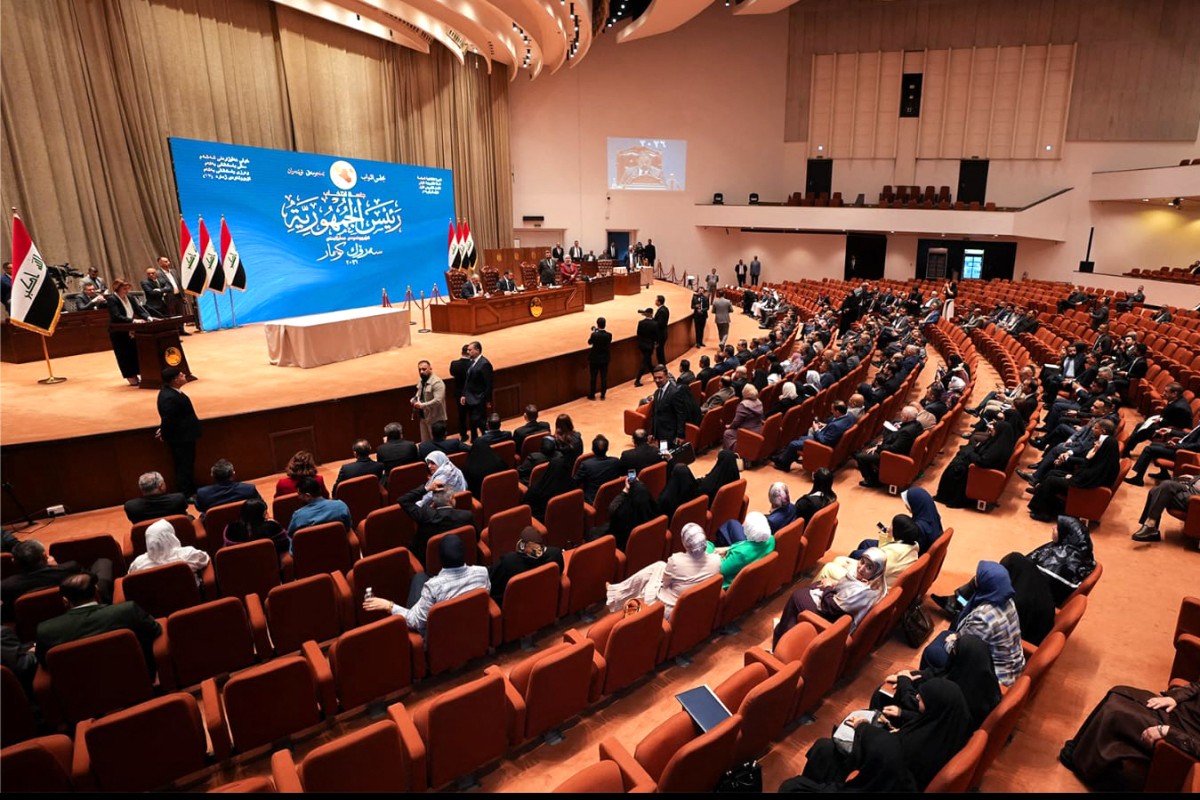
Iraqi House of Representatives during the election session of the President. (AFP)


Intense negotiations and crucial hours


A member of the Coordination Framework, Ali al-Yasiri, told “Annahar” that the framework’s leaders are still continuing their meetings and intensive political contacts to resolve the prime ministerial candidacy file before the constitutional deadline for submitting the name to the president, adding that the next few hours will be crucial in determining the course of negotiations.


Al-Yasiri explains that “the Coordination Framework is aware of the sensitivity of the current stage and the importance of adhering to constitutional deadlines, so dialogues have not stopped, whether through direct meetings or bilateral contacts between bloc leaders, with the aim of reaching a final understanding on a figure acceptable to most framework parties.”


He adds that the existing disagreements do not relate to a deep political crisis as rumored, but are natural differences regarding the selection mechanism and some proposed names, given the importance of the prime minister’s position and its associated internal and external responsibilities.


He notes that all forces within the framework agree on the necessity of presenting a candidate capable of managing the next phase and addressing economic, service, and security challenges.


Al-Yasiri affirms that one of the proposed options involves internal voting among framework leaders, while other parties believe that the group with the largest number of deputies within the alliance has the right to present the nominee.


He adds that these points are still under discussion, and there is flexibility among most parties to reach an acceptable political settlement within the coming hours.


He stresses that the Coordination Framework is keen to maintain its unity and not allow disagreements to turn into divisions that could affect political stability, noting that final understandings may be reached within the coming hours and that the candidate will be announced once the necessary consensus is completed.


An end member of the Coordination Framework insists that all scenarios remain open at the moment, yet indicators suggest an agreement could be reached at the last minute, as seen in previous political understandings on the Iraqi scene, adding that the deadline may be breached, as has occurred in previous sessions.



The constitutional deadline… Organizational or binding?


On his part, legal expert Ali Al-Tamimi told “Annahar” that “the expiry of the constitutional deadline set for presenting the nominee of the largest parliamentary bloc for the post of Prime Minister does not automatically entail any legal action or direct penalty, as most of the time limits stipulated in the Iraqi Constitution are considered regulatory periods aimed at organizing the work of authorities and institutions, rather than punitive deadlines that would render procedures invalid or impose binding sanctions if exceeded.”


Tamimi points out that the Iraqi Constitution includes several time limits for forming executive and legislative authorities, but political experience in recent years has shown repeated violations of these deadlines by political forces due to disagreements and conflicts, without this leading to procedural invalidation or direct legal liability.


He adds that the legal difference is clear between mandatory definitive periods that entail a specific legal effect upon breach, and organizational periods that are more directive than punitive.


He notes that the period for presenting the nominee of the largest bloc often falls under the organizational framework, with no constitutional text specifying an explicit penalty for its breach.