Amman meeting reopens the peace file between Lebanon and Israel
Behind quiet diplomatic meetings in Amman, competing visions for managing the Lebanese-Israeli conflict emerge. Beirut clings to the “mechanism” and Washington presses for a broader peace track.


شارك على
 مسنجر
مسنجر
 واتساب
 ثريدز
ثريدز
 بريد إلكتروني
 الطباعة
شارك على




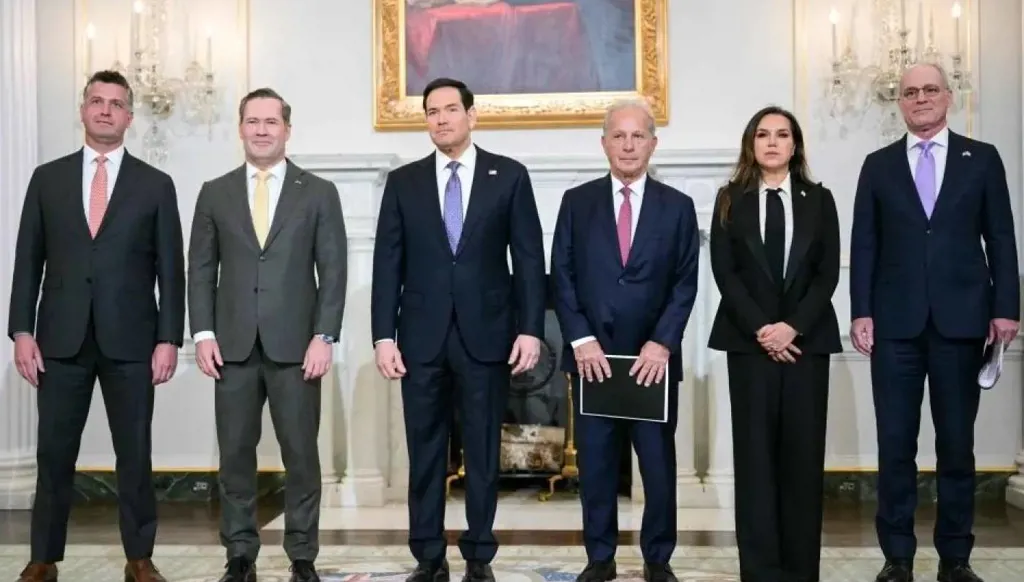
In a brief announcement on “X”, the US Embassy in Beirut stated that the US ambassadors to Beirut, Michel Issa, and to Tel Aviv, Mike Huckabee, are “committed to pushing Lebanon and Israel toward sustainable and effective peace through diplomacy and dialogue”.
It added that the ambassadors met over the weekend in Jordan, hosted by the U.S. embassy there, to discuss ways to support the peace process and the steps needed to enhance stability and prosperity in the region.
The announcement raised questions about potential developments between the two countries they cover, Lebanon and Israel, at a time when Beirut is witnessing intense diplomatic activity, and Israel is escalating airstrikes on sites and personnel linked to Hezbollah.
Ambassador Issa, after taking over the Lebanese file from envoy Morgan Ortagus, has seen his mission in Lebanon expand beyond his diplomatic mandate, effectively becoming a special US envoy for President Donald Trump. He carries dual responsibilities, managing embassy duties and mediation to address the conflict between Lebanon and Israel, hoping to reach a peace agreement in the face of ongoing intransigence.
When Issa took over the Lebanese file, inside sources say he conducted a broad review and expanded his range of contacts to clarify positions on the situation in the south, the fate of the “mechanism” committee, and the ceasefire agreement.
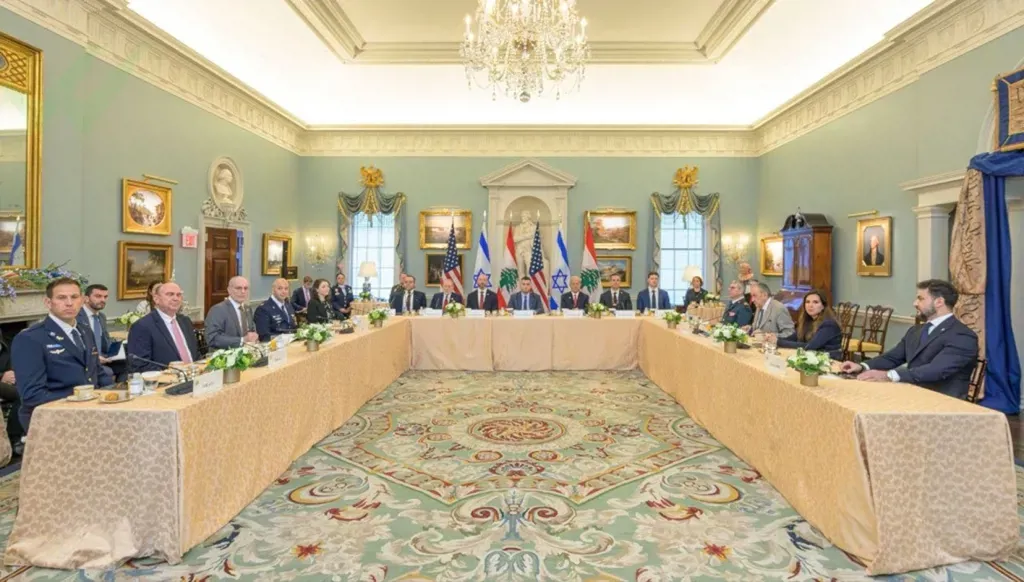
His contact with Lebanon's three heads of state was part on this approach, as was his meeting with Huckabee. President Trump has expressed his interest in terminating the "mechanism" committee’s work, pushing to transform it into a tripartite Lebanese-Israeli-American committee to monitor and implement an end to hostilities between Lebanon and Israel, not a temporary ceasefire.
This likely explains what the US Embassy in Beirut stated in its post announcing the two ambassadors’ commitment to pushing Lebanon and Israel toward sustainable and effective peace through diplomacy and dialogue. The roadmap Washington intends to follow in Lebanon it likely aimed towards a comprehensive peace agreement.
Sources familiar with the matter indicated that the meeting in Amman came at Issa’s own suggestion, as he believes a decision must be made between two options: proceeding with the “mechanism” as Lebanon wants, or moving toward a tripartite committee as Israel wants, in order to reach a final solution to the Lebanese-Israeli border file.
Lebanon, however, is known to remain committed to its position that the committee’s work must be activated. The President of the Republic expressed this conviction yesterday by tasking his security and military adviser, retired Brigadier General Antoine Mansour, with holding a meeting with the assistant head of the “mechanism”, US Colonel David Leon Clingingsmith. The meeting was held at the US Embassy to discuss developments in the committee’s work and ongoing cooperation with the Lebanese side in implementing the objectives for which it was established.
There was also an affirmation of the importance President Aoun attaches to the committee’s work in order to consolidate stability and security in the country, according to a statement published on the Baabda Palace page on “X”, the official residence of the Lebanese president.
This statement, issued tellingly via a post on X in response to the US post, underscores that Lebanon remains committed to the “mechanism” committee and rejects moving toward a tripartite committee.
This position is expected to become clearer in light of the US response and the possibility of dropping the alternative tripartite committee option, especially as Lebanon is currently seeking to capitalize on the international and Gulf momentum. This was reflected two days ago by Doha, the capital of Qatar, through the provision of a strong boost in the form of an unprecedented package of aid and grants. This came ahead of the anticipated preparatory conference to support the army, scheduled to be held in Qatar in mid next month, in preparation for the Paris conference in early March.
Officials are aware that Lebanon is not a priority on any international agenda and remains on the waiting sidelines until the regional picture becomes clearer, from Syria to Iraq to Yemen.
Disclaimer: The opinions expressed by the writers are their own and do not necessarily represent the views of Annahar.

العلامات الدالة
الأكثر قراءة